
Cart
0
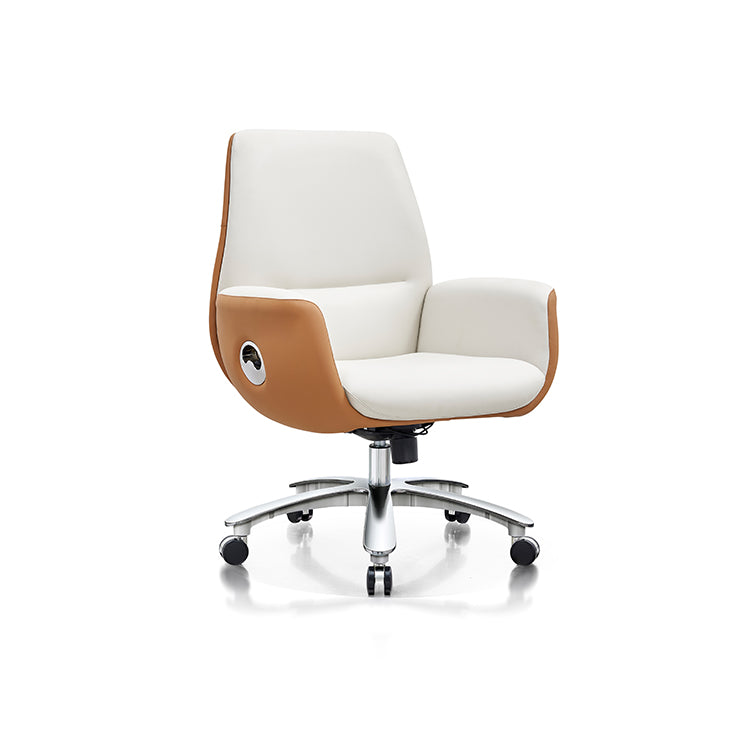
hot climates, chair fabric determines whether a seat stays usable after 20 minutes of contact or becomes a heat trap. Leather and PU leather surfaces rise 8–14°C above ambient room temperature in direct or indirect sunlight, making them functionally uncomfortable in rooms above 28°C without continuous air conditioning. Performance fabric, linen, and open-weave textiles maintain surface temperatures within 2–4°C of room temperature because their fiber structure allows air circulation and moisture transfer.
Penghao Furniture manufactures upholstered chairs for US and European markets, including hospitality and residential projects in warm-climate regions and fabric selection is the single most frequently customized specification in those orders.
Why Fabric Choice Matters More in Hot Climates
In temperate climates, fabric selection is primarily aesthetic. In hot climates — broadly defined as regions where average summer temperatures exceed 28°C (82°F), including the US South, Southwest, Middle East, Southeast Asia, and Mediterranean Europe — fabric selection is a functional decision that directly affects comfort duration.
Three mechanisms determine how a chair fabric performs in heat:
1. Thermal Conductivity Dense, non-porous materials (leather, PU leather, microfiber with tight weave) trap body heat at the contact surface. Porous and open-weave materials (linen, cotton canvas, performance fabric) allow heat to dissipate through the fiber structure.
2. Moisture Wicking In humidity above 60%, the body increases perspiration rate. Fabrics that absorb and hold moisture (velvet, chenille, some polyester blends) become damp and uncomfortable within 15–30 minutes of contact in humid heat. Fabrics with active moisture-wicking properties (performance fabric, linen blends) transfer moisture away from the contact surface.
3. Surface Temperature Recovery After a person leaves a chair, the fabric surface takes time to return to room temperature. Leather takes 8–12 minutes. Performance fabric takes 2–4 minutes. In commercial environments (hotels, restaurants, co-working spaces) where chairs are continuously occupied, recovery time affects the next user's experience.
Fabric-by-Fabric Analysis for Hot Climates
1. Performance Fabric — Best Overall for Hot Climates
Performance fabric is a category of engineered upholstery textiles designed for durability and climate resistance. The fiber structure is typically a polyester or polyester-blend weave with a tight but breathable construction — surface pore size is small enough to resist staining but open enough to allow air exchange.
Heat performance: Surface temperature stays within 2–3°C of room temperature under normal conditions. In direct sunlight through glass, surface temperature rises approximately 5–7°C — significantly less than leather's 8–14°C increase.
Humidity performance: Moisture-wicking finish prevents surface dampness under perspiration. Dries within 15–30 minutes after contact in 70–80% humidity environments.
Durability: Martindale abrasion rating of 50,000–100,000 cycles depending on specification. Suitable for both residential and heavy commercial use.
Cleaning: Wipes clean with damp cloth. Resists staining from food, beverages, and sunscreen — relevant for outdoor-adjacent and hospitality applications.
Recommended for: Residential living rooms in hot climates, hotel lobbies, outdoor-adjacent seating, co-working spaces, Airbnb properties.
2. Linen and Linen Blends — Best Natural Fiber Option
Linen is the highest-performing natural fiber for hot climates. Its hollow fiber structure allows air circulation at the contact surface — a property that synthetic alternatives replicate but do not exceed.
Heat performance: Linen surface temperature stays within 1–2°C of room temperature. The fiber absorbs up to 20% of its weight in moisture before feeling damp to the touch — higher than cotton (15%) and significantly higher than polyester (less than 1%).
Humidity performance: Absorbs and releases moisture rapidly. In climates with both high heat and high humidity (Florida, coastal Southeast Asia, Gulf states), linen outperforms performance fabric in subjective comfort for extended sitting sessions.
Durability: Martindale rating of 15,000–25,000 cycles for standard linen. Linen-polyester blends achieve 30,000–40,000 cycles while retaining most of the breathability advantage.
Trade-off: Linen wrinkles under sustained pressure and requires more maintenance than synthetic alternatives. Not recommended for high-frequency commercial environments.
Recommended for: Residential reading chairs, dining chairs, bedroom accent chairs, boutique hotel rooms with lower occupancy turnover.
3. Cotton Canvas and Cotton Blends — Reliable Mid-Range Option
Cotton canvas upholstery (typically 280–350 GSM weight) performs adequately in hot climates and is widely available at mid-range price points. Its breathability is lower than linen but significantly higher than synthetic alternatives like microfiber or PU leather.
Heat performance: Surface temperature within 3–5°C of room temperature. Adequate for air-conditioned interiors; less suitable for rooms with significant direct sun exposure.
Humidity performance: Cotton absorbs moisture but dries more slowly than linen — in high-humidity environments above 75%, cotton upholstery can retain surface dampness for 45–90 minutes after contact.
Durability: 280+ GSM cotton canvas achieves 20,000–30,000 Martindale cycles. Sufficient for residential use; borderline for light commercial applications.
Recommended for: Casual residential furniture in moderately hot climates. Budget-conscious residential projects where linen or performance fabric pricing is restrictive.
4. Velvet — Avoid in Hot and Humid Climates
Velvet is among the worst-performing fabrics for hot climates. The pile construction — individual fibers standing perpendicular to the base weave — creates an insulating layer that traps heat and prevents air circulation at the contact surface.
Heat performance: Surface temperature rises 6–10°C above room temperature under body contact, even in air-conditioned spaces. Comparable to PU leather in heat retention.
Humidity performance: Pile absorbs and holds moisture. In humidity above 65%, velvet surfaces become noticeably damp within 20–30 minutes of contact. The pile also takes 2–4 hours to fully dry, making it unsuitable for multi-user commercial environments in humid climates.
Where velvet works: Air-conditioned rooms maintained below 22°C year-round. Decorative accent chairs with low daily use. Cold-climate residential environments.
Recommended for: Temperate or cold climates only. Not suitable for hot or humid regions without continuous heavy air conditioning.
5. Bouclé — Limited Suitability in Heat
Bouclé's looped fiber structure creates air pockets that provide some breathability — better than velvet, worse than linen or performance fabric. Higher-weight bouclé (300+ GSM) performs better than lower-weight versions in heat because the denser base weave reduces heat penetration.
Heat performance: Surface temperature rises 4–7°C above room temperature. Adequate in moderately air-conditioned spaces; uncomfortable in rooms above 26°C.
Humidity performance: The looped pile traps moisture similarly to velvet, though less severely. In humidity above 70%, bouclé surfaces become uncomfortable within 30–45 minutes.
Recommended for: Decorative use in air-conditioned residential spaces in warm climates. Not recommended for commercial use or high-humidity regions.
6. Leather and PU Leather — Functional Only With Consistent Air Conditioning
Genuine leather and PU leather are the worst-performing materials in hot climates without consistent heavy air conditioning.
Heat performance: Leather surface temperature rises 8–14°C above ambient room temperature in indirect sunlight and up to 18–22°C in direct sunlight through glass. In a room at 28°C with afternoon sun exposure, a leather chair surface can reach 46–50°C — above comfortable contact threshold.
Humidity performance: Leather does not absorb moisture — perspiration accumulates at the contact surface. In humidity above 65%, leather seating becomes uncomfortable within 10–15 minutes of contact without air conditioning.
Where leather works in hot climates: Rooms maintained at 20–22°C with continuous air conditioning. Offices and hotels with controlled climate systems. Not suitable for residential spaces without reliable year-round cooling.
Genuine leather vs PU leather in heat: Genuine leather is slightly more breathable than PU leather due to its natural pore structure — but the difference is marginal at temperatures above 26°C.
Fabric Comparison Table: Hot Climate Performance
| Fabric | Heat Retention | Humidity Resistance | Durability (Martindale) | Best Use |
|---|---|---|---|---|
| Performance Fabric | Low (+2–3°C) | Excellent | 50,000–100,000 | Commercial + Residential |
| Linen | Very Low (+1–2°C) | Excellent | 15,000–25,000 | Residential |
| Linen-Polyester Blend | Low (+2–3°C) | Very Good | 30,000–40,000 | Residential + Light Commercial |
| Cotton Canvas | Moderate (+3–5°C) | Good | 20,000–30,000 | Residential |
| Bouclé | Moderate-High (+4–7°C) | Poor | 20,000–30,000 | Decorative / AC Spaces Only |
| Velvet | High (+6–10°C) | Very Poor | 20,000–30,000 | Cold Climate Only |
| PU Leather | Very High (+8–14°C) | Very Poor | 30,000–50,000 | AC Spaces Only |
| Genuine Leather | Very High (+8–14°C) | Very Poor | 50,000+ | AC Spaces Only |
Frame Considerations in Hot and Humid Climates
Fabric is the primary comfort factor, but frame material also affects chair longevity in hot climates — particularly in humid coastal regions.
Kiln-dried hardwood with moisture content below 12% performs well in most hot climates. In coastal environments with humidity consistently above 75%, joint connections should be checked annually as seasonal humidity variation causes minor expansion and contraction cycles.
Metal frames (powder-coated steel or aluminum) outperform wood in high-humidity coastal environments. No moisture absorption means no joint loosening over time. Aluminum frames are lighter and resist corrosion without additional treatment.
Avoid untreated solid wood in high-humidity environments — moisture content variation above 15% causes warping and joint failure within 2–5 years.
B2B Specification: Hot Climate Chairs for Hospitality Projects
Hotels, resorts, restaurants, and co-working spaces in warm-climate markets require fabric specifications that perform under multi-user daily use in environments that may not have reliable air conditioning in all zones.
Standard commercial specification for hot climates:
- Performance fabric with Martindale rating 50,000+ cycles
- Moisture-wicking finish
- Stain-resistant treatment (relevant for poolside and outdoor-adjacent areas)
- Frame: kiln-dried hardwood or powder-coated metal depending on humidity level
Penghao Furniture customizes fabric selection for bulk orders — performance fabric, linen blends, and contract-grade upholstery are available across the chair range. Minimum order quantities apply by model; lead time is 15–35 days for standard specifications, 25–45 days for custom fabric selections.
For hospitality projects requiring hot-climate fabric specification — resorts, outdoor dining, pool-adjacent seating — contact Penghao Furniture via the wholesale inquiry page with project location, room conditions, and quantity requirements.
Frequently Asked Questions
What is the best chair fabric for Florida or Gulf Coast climates?
Performance fabric is the strongest choice for Florida and Gulf Coast environments where both heat and humidity are consistently high. Linen-polyester blends are a strong alternative for residential settings. Avoid velvet, bouclé, and leather in spaces without continuous air conditioning.
Does outdoor fabric work for indoor hot-climate chairs?
Outdoor-rated fabrics (solution-dyed acrylic, Sunbrella-type materials) perform well thermally in hot climates and offer superior UV and moisture resistance. They are appropriate for indoor-outdoor transition spaces, covered patios, and areas with high direct sunlight. The aesthetic is more casual than traditional upholstery fabrics.
How do I clean chair fabric in a hot and humid climate?
Performance fabric and linen blends clean with a damp cloth and mild soap. In humid climates, allow the fabric to dry fully before use — residual moisture in upholstery in high-humidity environments can lead to mildew formation within 48–72 hours in inadequately ventilated spaces. Avoid steam cleaning in humid environments.
Can I order chairs with custom fabric for a resort project?
Yes. Penghao Furniture offers fabric customization on bulk orders for hospitality and commercial projects. Custom fabric selection, including performance fabrics rated for hot-climate use, is available with project specification. Contact the wholesale team with project details for material samples and pricing.
What fabric holds its color best in sunlight?
Solution-dyed fabrics and performance fabrics with UV-stabilized dye processes retain color best under sunlight exposure. Velvet and standard cotton fabrics show fading within 12–18 months of regular indirect sunlight exposure. Linen fades gradually but develops a natural patina rather than uneven discoloration.
Penghao Furniture manufactures accent chairs, lounge chairs, and dining chairs for residential and commercial markets with custom fabric options for warm-climate projects. Factory-direct supply for US and European buyers.
