
Cart
0
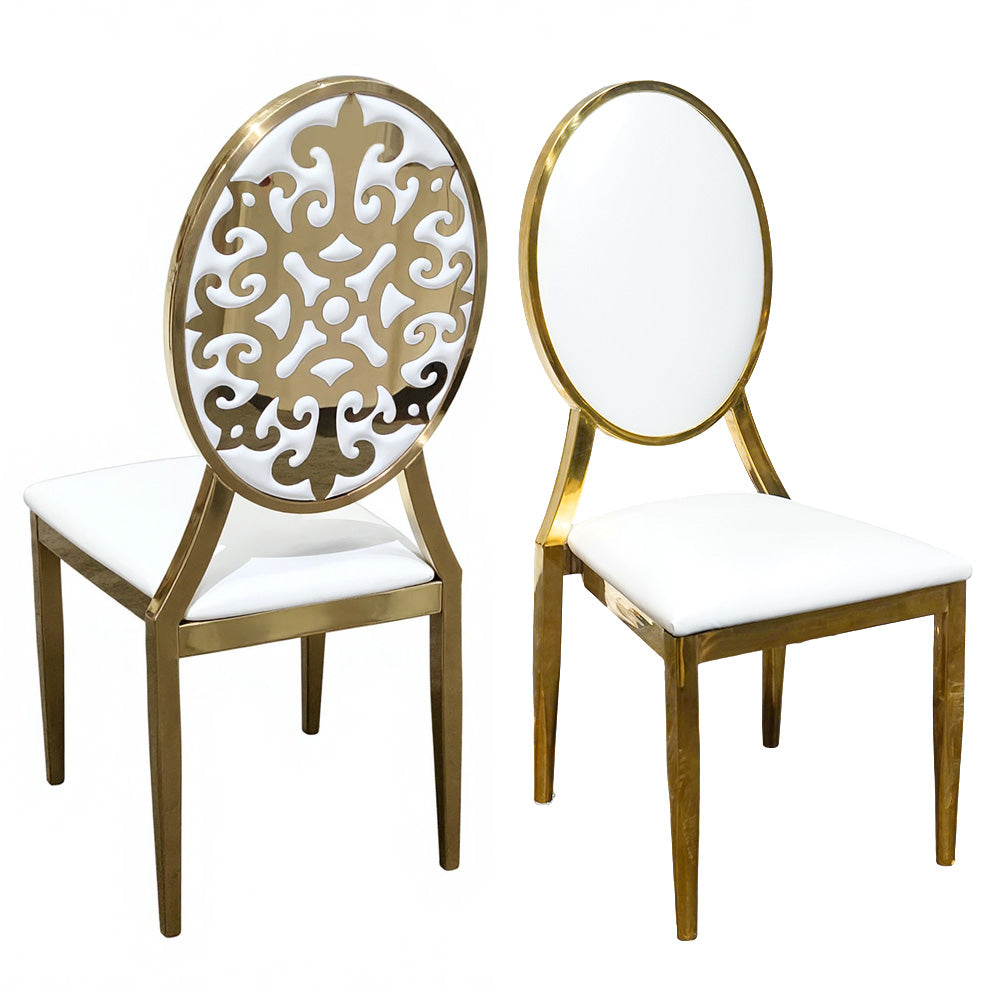
What Is Chair Foam Density?
Chair foam density measures the mass of polyurethane foam per cubic metre (kg/m³). A chair cushion rated at 30 kg/m³ contains 30 kilograms of foam material within a one-cubic-metre block. Higher density means more foam material is packed into the same space, which directly increases durability, shape retention, and resistance to compression over time.
Foam density is not the same as firmness. A high-density foam can be soft or firm depending on its ILD (Indentation Load Deflection) rating, which is a separate measurement.
How Is Foam Density Measured?
Foam density is expressed in kilograms per cubic metre (kg/m³) using a standardised physical measurement: a foam sample is cut to exactly one cubic metre, weighed, and the result is the density value.
The two core measurements used in furniture manufacturing:
| Measurement | Unit | What It Tells You |
|---|---|---|
| Foam Density | kg/m³ | How much material is in the foam — durability indicator |
| ILD (Indentation Load Deflection) | Newtons or pounds | How much force is needed to compress the foam — firmness indicator |
| Resilience Rating | % | How quickly foam returns to original shape after pressure |
| Compression Set | % | How much permanent deformation occurs after long-term use |
A chair cushion needs both measurements to be evaluated correctly. Density without ILD tells you durability but not comfort. ILD without density tells you firmness but not lifespan.
Foam Density Ranges — What the Numbers Mean
| Density Range | Classification | Typical Lifespan | Best Use |
|---|---|---|---|
| Below 18 kg/m³ | Low density | 1–2 years | Decorative cushions, occasional use |
| 18–25 kg/m³ | Economy | 2–4 years | Budget residential chairs |
| 25–32 kg/m³ | Standard residential | 4–7 years | Everyday home accent chairs |
| 32–40 kg/m³ | High density | 7–10 years | Daily-use lounge chairs, dining chairs |
| 40–50 kg/m³ | Commercial grade | 10–15 years | Hotel lobbies, offices, restaurants |
| Above 50 kg/m³ | Heavy duty | 15+ years | High-traffic commercial environments |
- Polyurethane foam → density → 32–40 kg/m³ for standard residential chairs
- Chair cushion → lifespan → directly proportional to foam density
- Commercial chair → foam grade → 40 kg/m³ minimum for durability under daily use
Foam Density vs Foam Firmness — Key Difference
A common buying mistake: buyers assume a firm chair cushion has high-density foam. This is incorrect.
Density and firmness are independent properties. High-density foam can feel soft. Low-density foam can feel hard initially but compresses permanently within months.
| Property | Low Density + Firm | High Density + Soft | High Density + Firm |
|---|---|---|---|
| Initial feel | Hard | Comfortable | Supportive |
| After 6 months | Compressed, uneven | Retains shape | Retains shape |
| After 2 years | Sagging, deformed | Minimal change | Minimal change |
| Best for | Nothing — avoid | Lounge chairs | Dining, office chairs |
The correct buying logic in 2026:
→ Start with density (durability requirement) → Then select ILD (comfort preference)
For a hotel lobby chair used 8+ hours daily: minimum 40 kg/m³ density, ILD between 140–180 Newtons for medium firmness.
For a residential accent chair used 2–3 hours daily: 30–35 kg/m³ density, ILD between 100–140 Newtons for softer seating.
Best Foam Density by Chair Type (2026 Specification Guide)
Accent Chairs
Accent chairs in residential settings face 2–4 hours of daily use. Foam compresses unevenly when density falls below 25 kg/m³, causing visible seat depression within 12–18 months.
Recommended specification:
- Foam density: 28–35 kg/m³
- ILD: 100–130 Newtons (medium-soft)
- Seat depth: 50–55 cm for standard adults
Lounge Chairs
Lounge chairs require extended seating comfort. Low-density foam causes pressure point buildup after 45–60 minutes, reducing comfort during longer sitting periods.
Recommended specification:
- Foam density: 30–38 kg/m³
- ILD: 90–120 Newtons (soft-medium)
- Back cushion density: can be 5–8 kg/m³ lower than seat cushion
Dining Chairs
Dining chairs sustain concentrated pressure on the seat base during meals. Foam below 30 kg/m³ shows visible compression within the first year of daily use.
Recommended specification:
- Foam density: 32–42 kg/m³
- ILD: 140–180 Newtons (medium-firm)
- Seat height from floor: 43–46 cm for standard dining table compatibility
Commercial and Hotel Chairs
A hotel restaurant chair used by 50–80 different guests per day requires foam engineered for sustained load cycling, not residential comfort standards.
Recommended specification:
- Foam density: 40–50 kg/m³
- ILD: 160–200 Newtons (firm)
- Compression set target: below 15% after 75,000 cycles
A US-based hospitality procurement manager sourcing 200 lobby chairs for a boutique hotel reduced replacement costs by 34% by upgrading from 28 kg/m³ to 42 kg/m³ foam — extending chair lifespan from 3 years to 8 years per unit.
How Foam Density Affects Chair Durability
Foam density determines long-term performance through three physical mechanisms:
- Cell wall thickness Higher-density foam has thicker cell walls within its structure. Thicker cell walls resist collapse under repeated compression cycles. A 40 kg/m³ foam withstands 80,000–100,000 compression cycles before losing more than 15% of its original height. A 20 kg/m³ foam reaches the same deformation threshold at 20,000–30,000 cycles.
2. Compression set resistance Compression set measures the percentage of permanent height loss after sustained pressure. High-resilience (HR) foam rated at 40 kg/m³ typically shows a compression set below 10% after ASTM D3574 standardised testing. Economy foam at 18–22 kg/m³ shows compression set values of 20–35%, meaning visible seat depression forms within 1–2 years of daily use.
3. Resilience (bounce-back speed) Resilience measures how quickly foam returns to original shape after a person stands up. High-resilience polyurethane foam rated at 35+ kg/m³ typically achieves 40–60% resilience, meaning the seat returns to full height within 1–2 seconds. Low-resilience foam at under 22 kg/m³ shows slow recovery (5–10 seconds), which indicates cell structure degradation.
How to Test Chair Foam Quality Before Buying
The Compression Test
Press the seat cushion firmly with your palm, hold for 10 seconds, then release.
| Result | What It Means |
|---|---|
| Returns to shape within 1–2 seconds | High-resilience foam, density likely 32+ kg/m³ |
| Returns slowly, 5–10 seconds | Low-resilience or low-density foam |
| Does not return fully | Compressed foam, below 20 kg/m³ or damaged |
The Weight Distribution Test
Sit near the edge of the seat rather than the centre. Low-density foam tilts and loses shape under asymmetric loading — a common failure point in chairs with foam below 25 kg/m³.
The Manufacturer Specification Check
Request the foam density specification in kg/m³ and the ILD rating from the supplier. Any manufacturer unable to provide these two values is not sourcing to a defined quality standard.
Penghao Furniture specifies foam density and ILD for every chair and sofa in its product range, providing buyers with documented material data before order confirmation.
Common Foam Problems Caused by Wrong Density Selection
| Problem | Root Cause | Foam Density Indicator |
|---|---|---|
| Seat sagging within 1 year | Foam below 22 kg/m³ with high ILD | Too low density |
| Uneven seat surface | Inconsistent foam density across cushion | Manufacturing defect |
| Cushion feels hard initially, then collapses | Low-density firm foam | Misleading firmness ≠ durability |
| Fabric puckering at seat edges | Foam compressing unevenly at edges | Low edge density, poor cutting |
| Back pain after 30 minutes | ILD too high for the use case | Firmness mismatch, not density issue |
| Seat depression visible in specific areas | Low-density foam under concentrated weight | Below 25 kg/m³ |
Foam Types Used in Chair Manufacturing (2026)
| Foam Type | Density Range | Key Property | Best Application |
|---|---|---|---|
| Standard Polyurethane Foam | 18–35 kg/m³ | General purpose | Residential accent chairs |
| High-Resilience (HR) Polyurethane Foam | 30–50 kg/m³ | Fast recovery, durable | Lounge chairs, commercial seating |
| Memory Foam (Viscoelastic) | 40–80 kg/m³ | Pressure relief, slow recovery | Ergonomic chairs, premium residential |
| Reconstituted Foam (Chip Foam) | 60–80 kg/m³ | Firm, heavy | Outdoor furniture, base layers |
| Latex Foam | 60–100 kg/m³ | Natural material, breathable | Premium residential, allergy-sensitive users |
Important for 2026 buyers: Memory foam density above 40 kg/m³ does not mean the seat will feel firm. Memory foam softens with body heat. Its high density value reflects mass per cubic metre, not firmness. Always evaluate ILD separately.
How Penghao Furniture Selects Foam Density
Penghao Furniture applies foam specifications based on the chair's intended use environment:
- Residential accent chairs and lounge chairs use high-resilience polyurethane foam in the 32–38 kg/m³ range
- Commercial dining chairs and hotel chairs use commercial-grade polyurethane foam at 40–48 kg/m³
- Custom orders allow buyers to specify density and ILD based on their project requirements
For bulk orders, Penghao Furniture maintains foam lot consistency across production batches — a critical requirement for hotel and hospitality projects where colour and firmness uniformity across 50–200 units directly affects installation outcome.
Custom foam specifications for OEM buyers include documented material data sheets confirming density (kg/m³), ILD (Newtons), compression set (%), and resilience (%) before production begins.
Frequently Asked Questions
What is a good foam density for a chair?
For everyday residential use, a foam density of 30–35 kg/m³ is considered standard quality. For chairs used more than 6 hours daily or in commercial environments, 40 kg/m³ or above provides adequate durability. Below 25 kg/m³ is considered economy grade and shows visible compression within 1–2 years.
Is higher foam density always better?
Higher density improves durability and shape retention but does not automatically improve comfort. A 50 kg/m³ foam can feel uncomfortably firm if the ILD rating is too high. Comfort depends on ILD; durability depends on density. Both must be matched to the use case.
What is the difference between foam density and foam firmness?
Foam density (kg/m³) measures how much material is in the foam a durability indicator. Foam firmness (ILD, measured in Newtons) measures how much force is required to compress the foam by 25% — a comfort indicator. They are independent values. A foam can be high-density and soft, or low-density and firm.
How long does chair foam last at different densities?
Below 22 kg/m³: 1–3 years. 25–32 kg/m³: 4–7 years. 32–40 kg/m³: 7–10 years. 40+ kg/m³: 10–15 years under daily use. These ranges assume standard load conditions. Commercial environments with 8+ hours of daily use shorten lifespan proportionally.
What foam density do hotels use for chairs?
Hotel lobby chairs and restaurant seating typically use foam at 40–50 kg/m³ with an ILD of 160–200 Newtons. This specification supports 50,000–100,000 compression cycles before reaching a 15% compression set threshold — the commercial durability standard for hospitality furniture.
Can I test foam density without a lab?
The palm compression test and edge-loading test provide directional indicators but cannot confirm exact density values. For verified data, request the foam specification sheet from the manufacturer. Any supplier unable to provide density (kg/m³) and ILD values in writing is not producing to a documented standard.
Does fabric type affect how foam density feels?
Yes. A tightly woven high-GSM fabric increases the perceived firmness of the seat by adding surface resistance. A stretch fabric reduces this resistance. The foam specification remains constant; the perceived firmness changes based on fabric tension and weave. Always evaluate foam specification and upholstery together when assessing chair comfort.
Key Takeaways
- Chair foam density is measured in kg/m³ and determines durability, not comfort
- Comfort is controlled by ILD (Indentation Load Deflection) — a separate measurement
- Residential chairs require 30–38 kg/m³; commercial chairs require 40+ kg/m³
- Low-density foam that feels firm initially compresses permanently within 1–2 years
- Always request both density and ILD values from any chair supplier before purchase
Penghao Furniture provides foam density specifications for all chair and sofa products. For bulk orders and custom foam requirements, contact Penghao Furniture for a specification sheet and factory-direct quote.
