
Cart
0
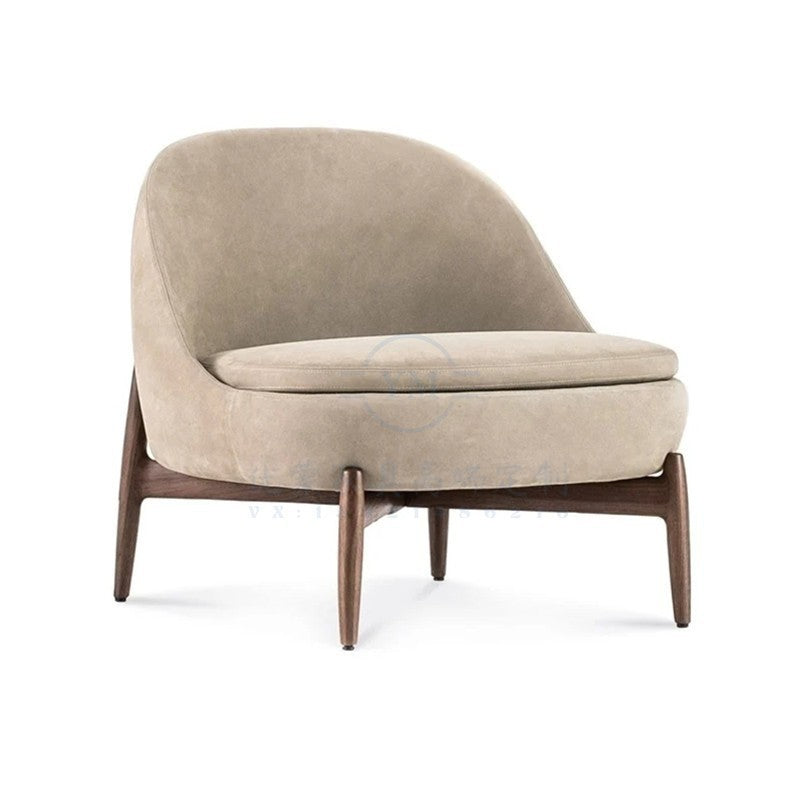
Lounge Chair vs Accent Chair — What Is the Difference?
Lounge chair: Reclined seat angle (100–115°), seat depth 22–26 inches, seat height 14–17 inches. Designed for passive use — resting, reading, watching. Low back height.
Accent chair: Upright seat angle (90–100°), seat depth 18–24 inches, seat height 16–20 inches. Designed for active or decorative use — conversation, focal point, room anchoring.
Key rule: If the chair leans back and pulls your body into a resting position, it is a lounge chair. If the chair holds you upright and positions you for engagement, it is an accent chair (non-lounge type).
What Is a Lounge Chair?
A lounge chair is a padded, upholstered seat with a deliberately reclined back angle — typically between 100 and 115 degrees measured from the seat plane. This angle shifts the body's center of gravity backward, reducing active muscle engagement and encouraging a passive, resting posture.
Structural characteristics:
-
Back angle: 100–115 degrees (reclined)
-
Seat depth: 22–26 inches (deeper than upright chairs to support full thigh contact)
-
Seat height: 14–17 inches (lower than standard, positions hips below knee level)
-
Armrest height: 18–22 inches from floor (lower than upright accent chairs)
-
Often paired with a matching ottoman for full leg extension
Frame construction: Lounge chairs carry concentrated load at the seat-to-back joint due to the reclined angle. Frames built from kiln-dried hardwood with moisture content below 12% resist joint stress at this point. Chairs using plywood-only construction at the seat-back junction develop creaking or structural flex within 12–18 months of regular use.
Foam specification: Lounge chair seat cushions require foam at 35–40 kg/m³ to maintain shape under sustained weight distribution. At lower densities (below 30 kg/m³), the deeper seat compresses unevenly — the front edge sinks faster than the center, creating a "hammocking" effect within 18 months.
Best environments:
-
Living room reading corners
-
Home theater seating
-
Hotel guest room seating
-
Spa and wellness waiting areas
-
Master bedroom sitting areas
What Is an Accent Chair?
An accent chair is a standalone upholstered seat placed in a room for a defined function — visual anchoring, conversation seating, or supplemental rest. The term "accent chair" describes a category, not a single structure. It includes barrel chairs, wingback chairs, slipper chairs, club chairs, swivel chairs, and lounge chairs.
The non-lounge accent chair types share one defining feature: the back angle sits between 90 and 100 degrees, positioning the user upright or at a slight recline suitable for active engagement — conversation, working, or alert rest.
Structural characteristics (non-lounge accent chairs):
-
Back angle: 90–100 degrees (upright to slight recline)
-
Seat depth: 18–22 inches (shallower than lounge chairs)
-
Seat height: 16–20 inches (standard — allows easy stand-up)
-
Back height: 28–50 inches depending on type (barrel, slipper, wingback)
-
Arms: present on most types, absent on slipper chairs
Best environments:
-
Living room focal points
-
Bedroom corners
-
Hotel lobbies and reception areas
-
Office lounge areas
-
Dining-adjacent seating
Side-by-Side Comparison
|
Feature |
Lounge Chair |
Accent Chair (non-lounge) |
|
Back angle |
100–115 degrees |
90–100 degrees |
|
Seat depth |
22–26 inches |
18–22 inches |
|
Seat height |
14–17 inches |
16–20 inches |
|
Primary posture |
Reclined, passive |
Upright, active |
|
Typical pairing |
Ottoman |
None |
|
Floor footprint |
Large (50–60 in with ottoman) |
Medium (28–40 in) |
|
Best use |
Resting, reading, watching |
Conversation, decoration, anchoring |
|
Daily-use foam requirement |
35–40 kg/m³ |
30–38 kg/m³ |
|
Commercial durability need |
High (hotel rooms, lounges) |
Medium-to-high |
The Overlap: When a Chair Is Both
Some chairs occupy both categories simultaneously. A barrel lounge chair — which uses the enclosed curved-back structure of a barrel chair and a reclined back angle — is technically both a lounge chair and an accent chair. The same applies to lounge armchairs with neutral back angles that hover between 98–105 degrees.
The practical rule for buyers: test the seated position. If your hips drop below your knees when seated, the chair is functioning as a lounge chair regardless of how it is labeled. If your hips and knees align at approximately 90 degrees, it is functioning as an upright accent chair.
Which One Is Right for Your Space?
Choose a lounge chair if:
-
The primary use is passive — reading, watching, resting
-
The room has a defined corner or bay with 50–60 inches of depth available
-
The user will spend 60+ minutes seated in the chair per session
-
The space is a bedroom sitting area, home theater, or hotel guest room
-
An ottoman will be added to complete the configuration
Choose an upright accent chair if:
-
The chair serves a conversation area or dining-adjacent zone
-
The room has limited floor space — less than 45 inches of depth available
-
The visual purpose is as strong as the functional purpose
-
The chair will be used for 30–45 minute sessions, not extended rest
-
Multiple chairs are needed in the same zone (multiple accent chairs pair more naturally than multiple lounge chairs)
For commercial and B2B buyers:
Hotel guest rooms typically use lounge chairs in the sitting corner — the reclined angle reduces perceived effort for guests and creates a distinct rest zone separate from the bed. Hotel lobbies and reception areas use upright accent chairs — the 90–100 degree back angle positions guests for alert, brief seated use while waiting or speaking with staff.
An interior design firm sourcing chairs for a 60-room boutique hotel in New York specified lounge chairs with 35 kg/m³ foam for guest rooms and upright barrel accent chairs for the lobby — ordering both types from Penghao Furniture factory-direct, reducing procurement cost by 24% compared to the previous retail sourcing approach.
How Penghao Furniture Produces Both Types
Penghao Furniture manufactures both lounge chairs and upright accent chairs through factory-direct production in China, with export to the US and Europe.
Frame: Kiln-dried solid hardwood frames with moisture content controlled below 12%. The lounge chair back-joint uses reinforced corner blocks to handle the angular load of the reclined position.
Foam: Seat cushions are available in 30 kg/m³ (standard residential) and 35–40 kg/m³ (commercial and heavy daily use). The foam specification is confirmed at the order stage — not a fixed variable.
Customization: Back angle, seat depth, seat height, armrest configuration, fabric, and leg finish are adjustable per OEM order. This allows buyers to specify a chair that sits between a standard lounge and upright accent profile — useful for hospitality projects where guest comfort and room proportion both matter.
MOQ: 10–50 units depending on configuration. Lead time: 15–45 days from confirmed specification. Cost: Factory-direct pricing is 20–40% below equivalent US retail pricing for the same specification.
Armchair vs Accent Chair — Quick Clarification
A common confusion: the difference between "armchair" and "accent chair."
An armchair is any upholstered chair with two armrests. An accent chair is any standalone decorative or functional chair placed in a room for a specific purpose. The two terms overlap — an accent chair with armrests is an armchair. An armchair placed as a room focal point is an accent chair.
The distinction matters in commercial purchasing: when a supplier quotes "armchairs," confirm whether they mean the structural feature (armrests present) or the product category (standalone decorative chair). Penghao Furniture uses specific type names — barrel chair, wingback chair, lounge chair — rather than generic category labels to prevent specification mismatches on bulk orders.
FAQ
Is a lounge chair the same as an accent chair? A lounge chair is a type of accent chair.
The accent chair category includes multiple chair types — barrel chairs, wingback chairs, slipper chairs, club chairs, and lounge chairs. What separates a lounge chair from other accent chair types is its reclined back angle (100–115 degrees) and lower seat height (14–17 inches), which position the user for passive rest rather than upright sitting.
What makes a chair a "lounge chair"?
Three structural features define a lounge chair: (1) a back angle between 100 and 115 degrees, (2) a seat depth of 22–26 inches to support full thigh contact in the reclined position, and (3) a seat height of 14–17 inches — lower than standard chairs. If a chair meets all three criteria, it functions as a lounge chair regardless of how it is labeled or marketed.
Can I use a lounge chair in a small living room?
A lounge chair with an ottoman requires 50–60 inches of floor depth and 28–34 inches of width — plus circulation clearance around the chair. In rooms under 150 sq ft, this footprint eliminates other furniture options. A slipper chair or compact accent armchair (22–28 inches wide, 18–20 inches seat depth) is a more practical choice for small living rooms.
What is the difference between a club chair and a lounge chair?
A club chair has a reclined back angle and deeply padded arms — similar to a lounge chair. The distinction is the arm height: club chairs have high, padded arms that rise to 24–28 inches from the floor, making them feel enclosed. Lounge chairs have lower or no arms (14–20 inches) to allow full lateral body freedom. Both types have seat depths of 22–26 inches and are designed for extended seated use.
How do I know which type to order for a hotel project?
Hotel guest room seating typically uses lounge chairs (reclined, paired with an ottoman or low table) in the sitting corner. Hotel lobbies and reception areas use upright accent chairs (90–100 degree back angle, standard seat height) for brief, alert seated use. For bulk hotel procurement, Penghao Furniture can produce both types to specification — confirm the room type and required use duration at the quote stage.
What foam density should I specify for a lounge chair in a hotel room?
Commercial lounge chairs in hotel environments require foam at a minimum of 35 kg/m³. At this density, the seat maintains its shape and support level for 3–5 years under daily guest use. Foam below 30 kg/m³ compresses noticeably within 12–18 months in high-turnover hotel environments, requiring earlier replacement.
Summary
A lounge chair and an accent chair are not competing terms — a lounge chair is one type within the accent chair category. The difference is the back angle, seat depth, and intended posture. Lounge chairs recline the user at 100–115 degrees for passive rest. Upright accent chairs hold the user at 90–100 degrees for active engagement.
Choosing between the two depends on the available floor space, the primary use of the seated position, and the session length the chair needs to support.
Penghao Furniture manufactures both types factory-direct, with OEM customization for back angle, foam density, fabric, and dimensions. MOQ starts at 10 units. Lead time is 15–45 days.
