
Cart
0
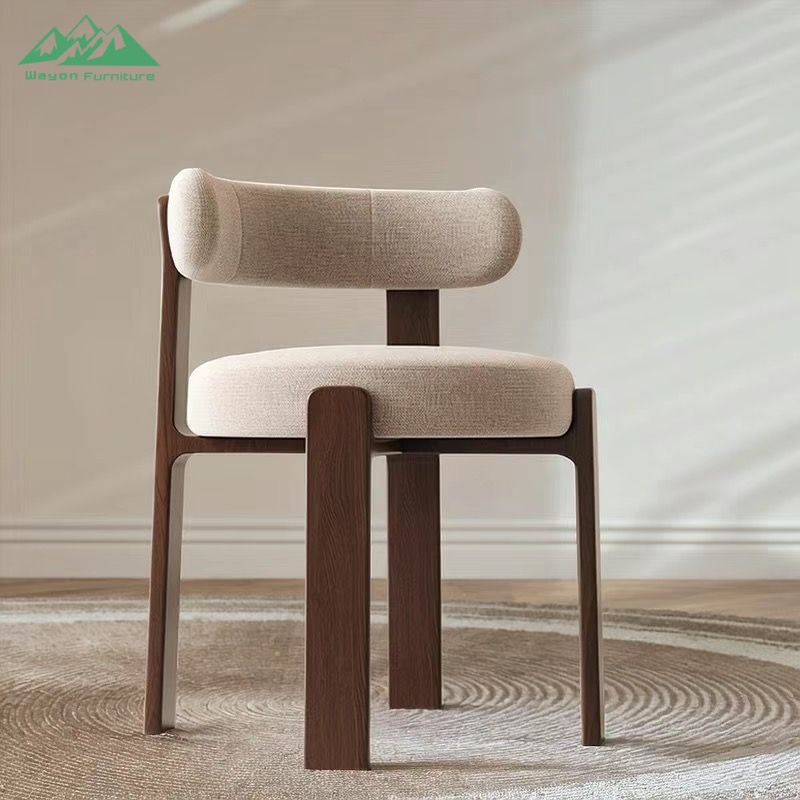
Performance fabric is an engineered upholstery textile designed to resist the three primary causes of chair fabric failure: surface abrasion, liquid penetration, and heat accumulation. Unlike standard upholstery fabrics that are classified by fiber type (velvet, linen, cotton), performance fabric is classified by functional properties: Martindale abrasion rating above 50,000 cycles, moisture-wicking or stain-resistant finish, and surface temperature rise of 2 to 3 degrees Celsius above room temperature under body contact. It is not a single fabric but a category of engineered textiles produced by multiple manufacturers under different trade names.
Penghao Furniture uses performance fabric as the primary specification for accent chairs destined for warm-climate markets, commercial environments, and households with children or pets, because it delivers the longest functional lifespan with the lowest maintenance requirement of any upholstery category currently available.
The Problem Performance Fabric Was Built to Solve
Standard upholstery fabrics were developed for aesthetic performance in controlled environments. Velvet was designed for formal interiors with low daily use. Cotton canvas was designed for moderate residential contact. Leather was designed for durability in specific climate conditions with active maintenance.
None of these materials were designed for the conditions that most chairs actually face in daily residential and commercial use: heat above 24 degrees Celsius, liquid spills, pet contact, children, extended daily sitting sessions, and multi-user occupancy in commercial environments.
Performance fabric was developed as a direct response to this gap. The engineering goal was a fabric that performs acceptably across all these conditions without requiring condition-specific maintenance, climate control, or usage restrictions.
The result is a material category that trades some of the sensory richness of velvet and genuine leather for consistent functional performance across a wider range of environments and use cases.
What Performance Fabric Actually Is
Performance fabric is not one material. It is a category defined by a set of functional specifications achieved through different manufacturing approaches.
Three common construction methods:
1. Solution-Dyed Synthetic Weave The most common performance fabric construction. Polyester or acrylic fibers are dyed before weaving, meaning color is embedded in the fiber rather than applied to the surface. The tight flat weave creates high abrasion resistance. Solution dyeing produces UV-fade resistance of 1,500 or more hours of direct sunlight exposure.
2. Coated Natural or Blended Fabric A linen, cotton, or blended base fabric with a protective coating applied after weaving. The coating creates stain and moisture resistance while the natural fiber base retains breathability. Martindale ratings are lower than pure synthetic construction (30,000 to 50,000 cycles) but breathability is higher.
3. Microfiber Performance Weave Ultra-fine polyester fibers (below 1 denier per fiber) woven at high density. Creates a soft tactile surface comparable to suede while delivering performance fabric abrasion ratings. Martindale rating: 40,000 to 70,000 cycles depending on specification.
Key Properties Explained
Abrasion Resistance
Performance fabric achieves 50,000 to 100,000 Martindale cycles depending on specification. Standard velvet achieves 20,000 to 30,000 cycles. Cotton canvas achieves 20,000 to 30,000 cycles. Genuine leather achieves equivalent tensile strength but cracks under sustained dry conditions.
In residential daily use at 4 to 6 hours of contact per day, a chair with 50,000-cycle performance fabric reaches the abrasion threshold in approximately 12 to 15 years. The same chair with standard velvet at 25,000 cycles reaches visible wear in 5 to 7 years.
For commercial environments with 8 to 12 hours of daily multi-user contact, 50,000-cycle performance fabric lasts 4 to 6 years before visible surface wear. This meets the commercial replacement cycle for most hospitality and co-working applications.
Stain Resistance
Performance fabric stain resistance operates through one of two mechanisms depending on construction:
Surface coating method: A fluorocarbon or silicone-based coating applied to the fabric surface causes liquid to bead rather than penetrate the weave. Coffee, red wine, and food-based liquids can be blotted clean within 30 to 60 seconds of contact without leaving residue. The coating degrades over time with cleaning frequency, typically requiring reapplication after 3 to 5 years of regular cleaning.
Solution-dyed fiber method: The fiber itself resists liquid absorption because the dye process seals the fiber structure. No surface coating is required. Stain resistance is permanent, does not degrade with cleaning, and performs consistently throughout the fabric's lifespan.
Solution-dyed performance fabric is the higher-specification option for commercial environments where cleaning frequency is high and coating reapplication is impractical.
Heat and Breathability
Performance fabric surface temperature rises 2 to 3 degrees Celsius above room temperature under body contact. Velvet rises 6 to 10 degrees. Leather and PU leather rise 8 to 14 degrees.
The flat-weave construction allows air exchange at the fiber level. Body heat moves through the weave rather than accumulating at the contact surface. In rooms above 24 degrees Celsius, this difference is functionally significant for sitting sessions longer than 20 to 30 minutes.
In hot climates, outdoor-adjacent rooms, and commercial environments without consistent air conditioning, performance fabric is the only standard upholstery category that remains comfortable for extended contact without climate control.
UV and Fade Resistance
Solution-dyed performance fabric retains color under direct sunlight exposure for 1,500 or more hours before measurable fade. Standard fabric (surface-printed color) shows measurable fade within 200 to 400 hours of direct UV exposure. Velvet shows directional color change from pile compression before UV fade becomes the primary visible change.
For window-adjacent chairs, sunroom seating, or outdoor-adjacent positions, solution-dyed performance fabric is the only upholstery specification that does not require regular repositioning or UV protection.
Cleaning and Maintenance
Performance fabric cleans with a damp cloth and mild soap in most applications. No conditioning is required. No specialist cleaning products are needed. Dried stains that were not addressed immediately can be removed with water and mild detergent in most cases, without leaving the tide marks characteristic of velvet or leather cleaning.
Cleaning frequency does not accelerate fabric degradation in solution-dyed constructions. In surface-coated constructions, cleaning with harsh detergents degrades the coating faster than gentle cleaning, reducing the effective stain-resistance period.
Performance Fabric vs Other Upholstery Materials
| Property | Performance Fabric | Velvet | Leather | Linen | Bouclé |
|---|---|---|---|---|---|
| Martindale Rating | 50,000 to 100,000 | 20,000 to 30,000 | Non-woven | 15,000 to 25,000 | 15,000 to 35,000 |
| Heat Retention | Low (plus 2 to 3°C) | High (plus 6 to 10°C) | Very High (plus 8 to 14°C) | Very Low (plus 1 to 2°C) | Moderate (plus 4 to 7°C) |
| Stain Resistance | High | Low | High | Medium | Low |
| Maintenance Required | Very Low | High | High | Low | Medium |
| Hot Climate Suitable | Yes | No | No | Yes | No |
| Commercial Grade | Yes | Light only | Medium | No | No |
| UV Fade Resistance | High | Low | Medium | Medium | Low |
| Color Range | Wide | Wide | Narrow | Medium | Medium |
| Patina Development | No | No | Yes | No | No |
Where Performance Fabric Underperforms
Performance fabric is not the correct specification for every application. Three areas where alternatives outperform it:
Tactile softness: Performance fabric has a harder tactile quality than velvet or high-grade bouclé. The tight flat weave creates a surface that feels functional rather than luxurious on initial contact. For buyers prioritizing sensory experience in a low-traffic decorative position, velvet or bouclé delivers a surface quality that performance fabric does not match.
Visual richness: Velvet pile creates light reflection depth that performance fabric cannot replicate. In formal interior photography and high-visibility design contexts, the visual difference between velvet and performance fabric is significant. Performance fabric reads as clean and considered; velvet reads as intentionally rich.
Patina development: Genuine leather develops a patina over years of use that adds material character. Performance fabric does not change with use. For buyers who value material aging as an aesthetic quality, leather remains the only practical upholstery option.
Trade Names for Performance Fabric
Performance fabric is marketed under trade names by different manufacturers. The specifications behind the name vary.
Common trade names and their base specifications:
Sunbrella: Solution-dyed acrylic. UV resistance rated for outdoor use. Martindale rating 40,000 to 60,000 cycles depending on weight. Originally developed for outdoor upholstery, now widely used for indoor applications in hot-climate and pet households.
Crypton: Fabric with embedded stain-resistant and antimicrobial treatment. Used in healthcare and hospitality. Martindale rating 50,000 to 100,000 cycles. Higher cost than standard performance fabric.
Revolution Fabrics: Solution-dyed olefin fiber. Marketed specifically for pet and child households. Martindale rating 100,000 cycles. Bleach-cleanable, which is relevant for healthcare and food-service environments.
Generic performance fabric: Many manufacturers produce performance fabric without a trade name. Specification varies significantly. Always request Martindale rating, GSM, and fiber composition rather than relying on the label "performance fabric" alone.
How to Verify Performance Fabric Specification Before Buying
The term "performance fabric" is applied inconsistently across the market. Some manufacturers label 30,000-cycle polyester fabric as performance fabric. Others reserve the term for 50,000-cycle and above specifications with tested stain resistance.
Four questions to ask before purchasing:
1. What is the Martindale rating? Request the specific cycle count. Anything below 40,000 cycles is not commercial grade and does not meet the upper range of residential high-use specification.
2. Is the fabric solution-dyed or surface-coated? Solution-dyed fabrics have permanent stain and UV resistance. Surface-coated fabrics have temporary resistance that degrades with cleaning frequency. For long-term ownership, solution-dyed is the stronger specification.
3. What is the fiber composition? Pure polyester and acrylic constructions deliver the highest abrasion resistance. Blended natural-synthetic fabrics offer higher breathability at slightly lower abrasion ratings.
4. Is there a test certificate available? Martindale test certificates, colorfastness ratings, and stain-resistance documentation should be available from any manufacturer specifying performance fabric for commercial or high-end residential use.
B2B Specification: Performance Fabric for Commercial Chair Orders
For interior designers, hotel procurement teams, and furniture retailers, performance fabric specification is a project cost management decision as much as a material choice.
Commercial specification standard: Hotel lobbies and restaurant seating require Martindale rating of 50,000 cycles minimum. Co-working spaces and Airbnb properties require 40,000 cycles minimum. Healthcare and high-traffic public seating requires 100,000 cycles and antimicrobial treatment.
Why commercial buyers specify performance fabric over leather: Leather requires conditioning maintenance that commercial housekeeping schedules do not consistently accommodate. Leather cracking in a hotel lobby chair within 3 to 4 years of daily use creates a visual quality problem that the original material cost advantage does not offset. Performance fabric at 50,000 cycles requires only regular cleaning, maintains appearance consistently, and lasts 4 to 6 years in heavy commercial use without conditioning.
Penghao Furniture performance fabric options: Penghao Furniture supplies accent chairs, lounge chairs, and dining chairs in performance fabric specifications ranging from 50,000-cycle residential grade to 80,000-cycle commercial grade. Solution-dyed options are available for hot-climate and outdoor-adjacent projects. Martindale certificates and fiber composition documentation are provided on request for bulk orders.
Lead time is 15 to 35 days for standard performance fabric specifications. Custom fabric selections require 25 to 45 days. Minimum order quantities apply by model.
Frequently Asked Questions
Is performance fabric the same as microfiber?
No. Microfiber is a specific fiber construction (ultra-fine synthetic fibers below 1 denier per fiber) that can be produced to performance fabric specifications. Not all microfiber is performance fabric and not all performance fabric is microfiber. Performance fabric is defined by its functional properties (Martindale rating, stain resistance, heat behavior) rather than by fiber size. Some microfiber fabrics meet performance specifications; others do not.
Does performance fabric feel cheap compared to velvet?
Performance fabric has a firmer tactile quality than velvet. High-quality performance fabric at 300 GSM and above has a smooth, considered texture that reads as intentional rather than budget-driven. The tactile difference is real but the value judgment depends on the application. In a hotel lobby or family living room, performance fabric's functional properties outweigh the sensory advantage of velvet. In a formal decorative accent position, velvet's softness justifies its higher maintenance requirement.
How long does performance fabric last on a chair?
Performance fabric at 50,000 Martindale cycles in daily residential primary seating lasts 12 to 15 years before visible surface wear. In commercial multi-user environments with 8 to 12 hours of daily contact, the same specification lasts 4 to 6 years. Solution-dyed constructions maintain color and stain resistance throughout this lifespan without degradation.
Can performance fabric be cleaned with bleach?
Standard performance fabric should not be cleaned with bleach as it degrades the fiber and any surface coating. Olefin-based performance fabrics marketed specifically as bleach-cleanable (such as Revolution Fabrics) are engineered for this use case. Always confirm bleach-cleaning compatibility with the specific fabric specification before use.
Does Penghao Furniture offer performance fabric samples before placing a bulk order?
Yes. Fabric samples are available on request for bulk and wholesale order inquiries. Martindale certificates, fiber composition data, and colorfastness ratings are provided with commercial project documentation on request. Contact the Penghao wholesale team with project specifications and quantity to arrange samples.
Penghao Furniture manufactures accent chairs, lounge chairs, and dining chairs in performance fabric specifications from 50,000-cycle residential grade to 80,000-cycle commercial grade. Factory-direct supply for US and European buyers with material documentation on bulk orders.
