
Cart
0
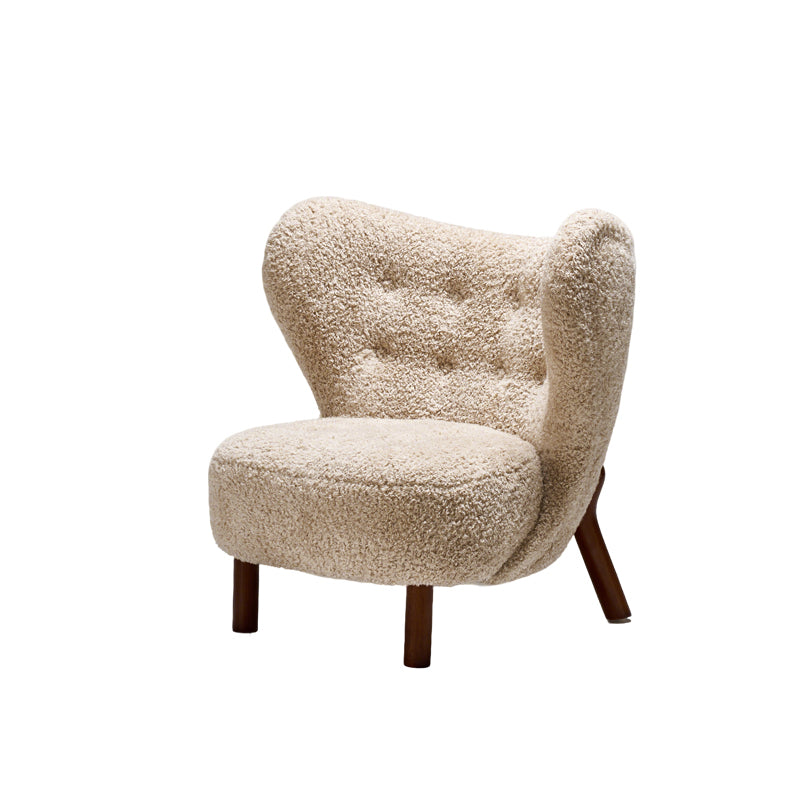
Velvet chairs offer the highest surface softness of any upholstery fabric — pile density creates a tactile quality that flat-weave fabrics cannot match — but pile construction compresses under daily contact within 12–24 months, surface temperature rises 6–10°C above room temperature under body heat, and fabrics below 300 GSM develop visible pilling within 12–18 months of regular residential use.
Velvet performs best in low-traffic decorative positions in temperature-controlled rooms. In high-use seating, high-humidity climates, or commercial environments, performance fabric at 50,000+ Martindale cycles outlasts standard velvet (20,000–30,000 cycles) by a factor of 2–3x. Penghao Furniture manufactures accent chairs in both velvet and performance fabric specifications fabric selection is available on bulk orders based on project use case and environment.
What Velvet Actually Is (The Mechanism Behind the Feel)
Velvet is not a fiber — it is a construction method. Individual fibers (cotton, polyester, viscose, or nylon) are woven into a base fabric and then cut to create a uniform pile that stands perpendicular to the base weave. This cut pile is what creates the characteristic softness and light-reflecting sheen.
Three velvet types used in accent chair upholstery:
1. Cotton Velvet Natural fiber pile. Softest tactile quality. Crushes faster than synthetic alternatives. Martindale rating: 15,000–22,000 cycles. Suitable for decorative use only.
2. Polyester Velvet Synthetic pile. Higher abrasion resistance than cotton. Martindale rating: 25,000–35,000 cycles. More practical for residential primary seating.
3. Performance Velvet Engineered synthetic pile with tighter construction. Martindale rating: 35,000–45,000 cycles. The appropriate specification for velvet in light commercial environments.
Understanding which type is specified matters more than the word "velvet" alone — a cotton velvet chair and a performance velvet chair have different functional lifespans by a factor of 2x or more.
Velvet Chair: The Pros
1. Surface Softness — Measurably Higher Than Flat Weave Fabrics
Velvet pile creates surface contact with more fiber ends per square centimeter than any flat-weave alternative. The result is a tactile quality that registers as softer and warmer to the touch because the pile conforms to skin contact rather than presenting a flat woven surface.
This is not subjective preference — it is a structural property of pile construction. In residential living rooms and bedrooms where comfort is the primary specification, velvet delivers a sensory experience that performance fabric and linen do not replicate.
2. Visual Depth — Light Behavior Unique to Pile Fabrics
Velvet pile reflects light differently depending on viewing angle — the same chair surface appears lighter or darker as the angle changes. This optical property, called luster or sheen, is created by the uniform cut pile direction. It gives velvet chairs a visual richness that reads as premium in interior photography and in-person viewing.
For interior designers sourcing statement accent chairs for high-visibility spaces — hotel suites, luxury apartments, formal living rooms — this visual quality is a legitimate design specification, not merely aesthetic preference.
3. Color Depth — Saturated Tones Hold Better on Pile Surfaces
Deep colors (jewel tones — emerald, sapphire, burgundy, ink) appear more saturated on velvet than on flat-weave fabrics because the pile structure absorbs and reflects light in a way that intensifies perceived color depth.
A deep green velvet accent chair reads differently in a room than the same green in a performance fabric — the velvet version appears richer and more intentional as a design element. For buyers sourcing statement chairs rather than neutral background seating, this color behavior is a functional differentiator.
4. Formal Aesthetic — Suits Specific Interior Styles
Velvet aligns naturally with interior styles that prioritize richness and formality: Art Deco, maximalist, neo-classical, and luxury-contemporary interiors. In these contexts, the material choice reinforces the design intention rather than simply being a fabric option.
A mid-century modern lounge chair in bouclé and a wingback accent chair in velvet serve different design functions — the velvet choice in the right context is the correct specification, not merely a more expensive option.
Velvet Chair: The Cons
1. Pile Compression — The Primary Durability Failure Mode
Velvet pile compresses under sustained contact pressure. The seat center and back contact area — the two highest-pressure seating positions — show pile compression within 12–24 months of daily use in residential primary seating.
What this looks like: Compressed pile reflects light differently from un-compressed surrounding areas. The result is visible lighter-colored patches on the seat and back that follow the contact pattern of the seated body. This is not staining — it is a structural change in the pile direction that cannot be reversed by cleaning.
Recovery options: Steam and brushing can partially restore pile direction in early-stage compression. Advanced compression (12+ months of daily use in the same position) does not fully recover with any treatment method.
The GSM factor: Velvet above 400 GSM has sufficient pile density to delay compression — the denser pile structure resists directional change under pressure. Velvet below 300 GSM shows compression significantly faster, sometimes within 6–9 months of daily use.
2. Heat Retention — Functionally Uncomfortable Above 24°C
Velvet pile acts as an insulating layer. Body heat cannot dissipate through the pile construction the way it can through flat-weave fabrics. Surface temperature under body contact rises 6–10°C above room temperature in standard conditions.
In practical terms: In a room at 22°C with air conditioning, velvet surface temperature under contact reaches approximately 28–32°C — uncomfortable but tolerable. In a room at 26–28°C without consistent air conditioning, contact surface temperature reaches 32–38°C — above comfortable skin contact threshold for sessions exceeding 20–30 minutes.
Geographic implication: Velvet accent chairs are appropriate for climate-controlled residential spaces in temperate zones. In warm-climate markets — US South, Southwest, coastal regions, Mediterranean Europe — velvet requires continuous air conditioning to remain comfortable for extended sitting sessions.
3. Pilling — The GSM Threshold That Determines Lifespan
Pilling occurs when fiber ends at the pile surface catch on clothing or abrasive contact, roll, and form small balls on the fabric surface. In velvet, the cut pile creates exposed fiber ends across the entire surface — making it inherently more susceptible to pilling than flat-weave alternatives.
The 300 GSM threshold: Velvet below 250 GSM develops visible pilling within 12–18 months of daily residential use. Velvet between 250–300 GSM shows pilling within 24–36 months. Velvet above 300 GSM from quality manufacturers resists visible pilling for 4–6 years in residential use.
The fiber type factor: Cotton velvet pills faster than polyester velvet at equivalent GSM because cotton fiber ends are shorter and break more easily under friction. Polyester velvet pile holds its structure longer — the synthetic fiber's higher tensile strength reduces the rate of fiber breakage that causes pilling.
Field test: Rub the velvet surface firmly with the back of your hand for 20–30 strokes. Visible fiber balls forming within 15 strokes indicate a GSM below 250 — insufficient for regular residential primary seating.
4. Cleaning Difficulty — Pile Traps Particles and Liquid
The pile structure that creates velvet's softness also traps dust, pet hair, crumbs, and liquid at the pile base — below the surface level where a standard wipe removes debris.
Liquid spills: Liquid penetrates the pile and reaches the base fabric quickly. The pile then holds moisture against the base, extending drying time and creating conditions for mildew formation in humid environments. Water-based stains on velvet require immediate blotting (not rubbing — rubbing collapses the pile and sets the stain) and can leave watermark rings visible after drying.
Dry debris: Pet hair embeds in velvet pile at a rate significantly higher than flat-weave fabrics. Lint rollers remove surface hair but not pile-embedded hair — a velvet brush or fabric comb is required for full removal.
Maintenance requirement: Weekly brushing with a soft velvet brush maintains pile direction and removes surface debris. Without regular maintenance, velvet surfaces show visible wear 40–50% faster than equivalent-GSM flat-weave fabrics.
5. Low Suitability for Commercial Environments
Standard velvet (20,000–30,000 Martindale) falls below the light commercial threshold of 30,000 cycles. In hotel lobbies, restaurants, or co-working spaces — environments with 6–12 hours of daily multi-user use — standard velvet reaches visible wear in 18–24 months.
The exception: Performance velvet (35,000–45,000 Martindale) meets light commercial specification. For hotel rooms with moderate occupancy (not lobby seating), performance velvet is a viable specification that balances aesthetic richness with functional durability.
Velvet vs Alternatives: When to Choose What
| Scenario | Best Fabric | Reason |
|---|---|---|
| Formal living room, low traffic | Velvet (300+ GSM) | Aesthetic richness justified by low wear |
| Primary family seating, daily use | Performance Fabric | 50,000+ cycles vs velvet's 20,000–30,000 |
| Bedroom accent chair | Velvet or Bouclé | Low-traffic position, comfort priority |
| Hot climate without AC | Performance Fabric or Linen | Heat retention makes velvet uncomfortable |
| Hotel lobby | Performance Fabric | Commercial Martindale threshold required |
| Hotel suite (statement chair) | Performance Velvet | Aesthetic + light commercial durability |
| Pet household | Performance Fabric or Microfiber | Pile traps hair; flat weave does not |
| Interior design project, photos | Velvet | Visual depth and luster in photography |
Foam and Frame: What Supports Velvet Performance
A velvet chair with inadequate internal construction fails faster than the fabric alone suggests.
Foam density for velvet chairs: Velvet's pile compression is a surface-level change — the cushion's internal foam determines whether the chair remains comfortable after the pile compresses. Foam below 30 kg/m³ develops a 1–2 inch seat sag within 3–5 years of daily use, independent of fabric choice. Foam at 35–40 kg/m³ maintains its support profile for 7–10 years.
Frame construction: Kiln-dried hardwood frames with moisture content below 12% provide the structural base that prevents the chair from developing wobble or joint loosening — a problem that appears in mid-quality velvet chairs where frame cost is reduced to offset fabric cost.
The combination that delivers the longest velvet chair lifespan: 300+ GSM polyester or performance velvet + 35+ kg/m³ foam + kiln-dried hardwood frame with glued-and-screwed joints.
B2B Context: Ordering Velvet Chairs at Scale
For interior designers, hotel procurement teams, and furniture retailers sourcing velvet accent chairs in bulk:
Specification checklist for bulk velvet orders:
- Fabric type: cotton velvet / polyester velvet / performance velvet
- GSM: confirm above 300 for residential; performance velvet for light commercial
- Pile direction uniformity: confirm batch consistency for multi-unit hotel orders
- Martindale certificate: request for commercial project documentation
- Foam density: confirm 35+ kg/m³ minimum
- Frame: kiln-dried hardwood or metal specification
Pile direction in bulk orders: A common quality issue in large velvet orders is pile direction inconsistency across units — chairs from the same order reflect light differently because pile direction varies between pieces. For hotel rooms or matched residential sets, confirm that the manufacturer controls pile direction per batch.
Penghao Furniture manufactures velvet and performance velvet accent chairs with fabric specification confirmation on bulk orders. GSM data, Martindale certificates, and material samples are available on request. Minimum order quantities apply by model; lead time is 15–35 days for standard specifications.
Frequently Asked Questions
Does velvet fabric on accent chairs wear out quickly?
Standard cotton velvet (15,000–22,000 Martindale cycles) in a primary daily-use seating position shows visible pile compression and pilling within 12–24 months. Polyester velvet (25,000–35,000 cycles) lasts 3–5 years in the same position. Performance velvet (35,000–45,000 cycles) extends this to 5–8 years. GSM above 300 slows pilling in all velvet types.
Can velvet accent chairs be used in a kitchen or dining room?
Velvet is high-maintenance in food-adjacent environments. Liquid spills penetrate pile quickly and stain if not blotted immediately. Cooking oil and food particles embed in the pile and are difficult to remove fully. Performance fabric or linen is the practical alternative for dining positions. Velvet in a dining room context requires a low-use, formal dining scenario to remain practical.
How do I restore crushed velvet pile on an accent chair?
Hold a steam iron 2–3 inches above the crushed area — do not contact the fabric directly. After steaming for 30–60 seconds, brush the pile firmly in one direction with a velvet brush or soft-bristle brush. This restores partial pile direction in early-stage compression. Advanced compression after 12+ months of daily contact does not fully recover with any treatment.
Is velvet suitable for an accent chair if I have cats or dogs?
No — velvet is among the worst-performing fabrics for pet households. Pet hair embeds in the pile and requires specialized brushing to remove. Claws abrade the cut pile ends, accelerating pilling significantly. For pet households, performance fabric (tight flat weave, 50,000+ Martindale) or microfiber are the appropriate specifications.
What is the difference between velvet and bouclé for accent chairs?
Velvet is a cut pile — individual fibers stand upright and are cut to uniform height, creating smooth softness and sheen. Bouclé is a looped pile — yarn loops are left uncut, creating a textured, irregular surface. Velvet has higher softness and visual richness; bouclé has a more casual texture and, above 300 GSM, comparable durability. Neither is appropriate for hot climates or commercial high-traffic environments without performance specifications.
Penghao Furniture manufactures accent chairs in velvet, performance velvet, bouclé, and performance fabric specifications. Fabric customization and material documentation available on bulk orders. Factory-direct supply for US and European buyers.
