
Cart
0
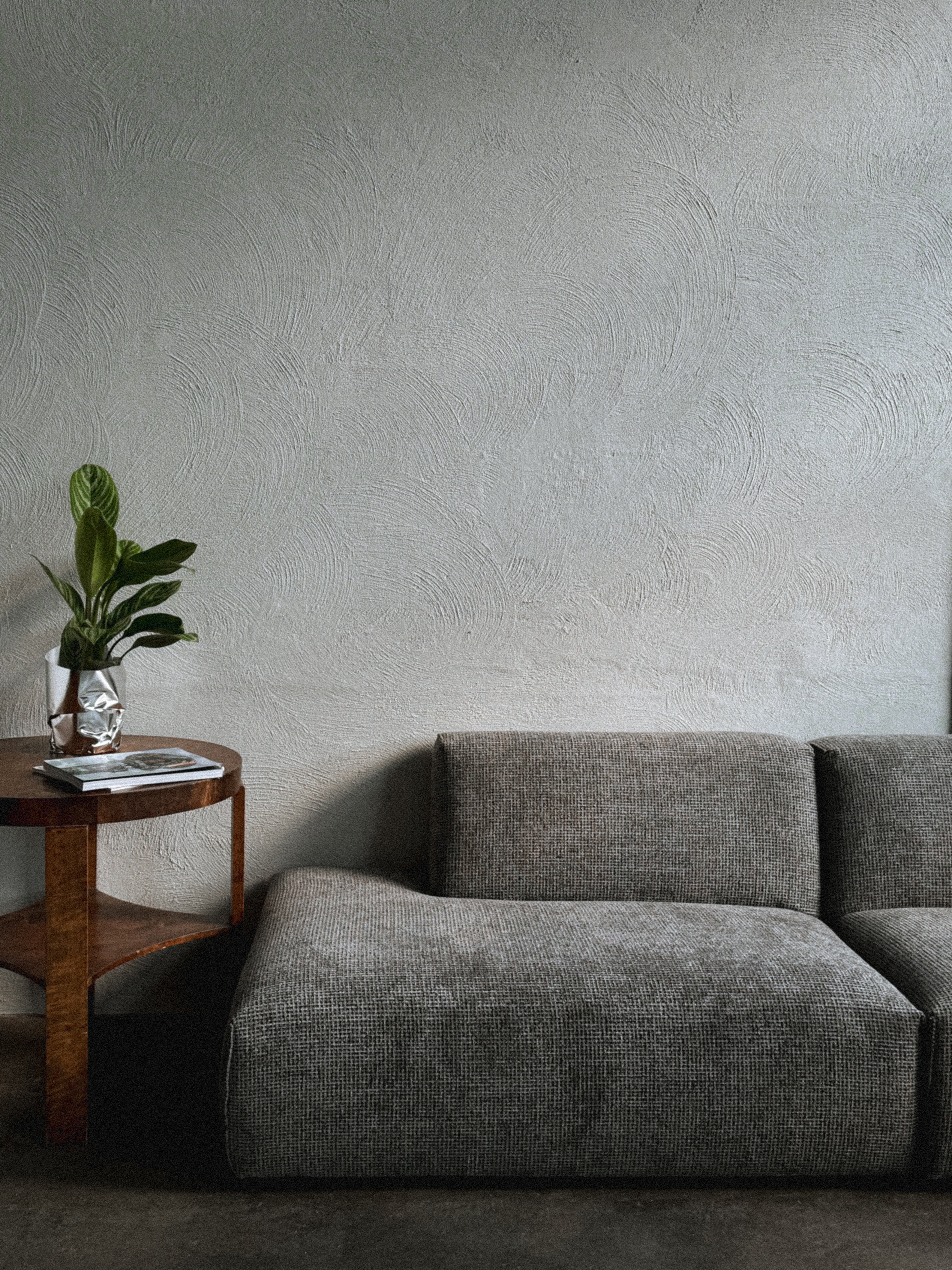
Leather vs Fabric Sofa: Which One Should You Choose in 2026?
A sofa decision fails when the material does not match usage conditions. A family with daily use, pets, and frequent spills faces a different requirement than a low-traffic formal living room. Leather and fabric sofas solve different problems choosing the wrong one creates maintenance friction, faster wear, and reduced comfort over time.
What is the difference between a leather sofa and a fabric sofa?
Leather and fabric sofas differ in durability, maintenance effort, breathability, and long-term appearance retention. Leather resists stains and holds structure under heavy use, while fabric provides higher comfort and airflow for daily sitting.
Leather acts as a protective surface layer, while fabric acts as a comfort layer. The correct choice depends on how often the sofa is used and under what conditions.
Which sofa lasts longer: leather or fabric?
Leather sofas last longer because the material resists wear, compression, and surface damage more effectively than fabric.
Lifespan comparison:
-
Leather sofa: 8–12 years
-
Fabric sofa: 5–8 years
The difference comes from material behavior:
-
Leather does not absorb dust or liquids easily
-
Fabric fibers break down faster under friction
However, durability depends on construction:
-
Full-grain leather outperforms bonded leather
-
High-density foam (≥35 kg/m³) extends lifespan in both types
A leather sofa maintains structure longer, especially in high-use environments like offices or family living rooms.
Which sofa is more comfortable for daily use?
Fabric sofas provide better comfort for long sitting sessions because the material allows airflow and regulates temperature.
Comfort characteristics:
-
Fabric → breathable, soft, temperature-neutral
-
Leather → firm, temperature-sensitive (cold in winter, warm in summer)
A common operational scenario:
A user sits for 3–5 hours daily. Fabric prevents heat buildup and reduces discomfort, while leather may require cushions or climate control to maintain comfort.
Comfort depends on:
-
Seat depth (50–60 cm optimal)
-
Foam density
-
Back support angle
Material affects comfort, but structure defines it.
Which sofa is easier to maintain?
Leather sofas require less daily maintenance because the surface prevents absorption of spills and dust.
Maintenance comparison:
-
Leather:
-
Cleaning time: 2–5 minutes
-
Requires periodic conditioning (every 6–12 months)
-
Wipe-based cleaning
-
Fabric:
-
Cleaning time: 15–30 minutes
-
Requires vacuuming and stain treatment
-
Absorbs liquids and odors
Example:
A spilled drink on leather remains on the surface and wipes off immediately. The same spill on fabric penetrates fibers and may leave a stain if not treated within minutes.
For households with pets or children, leather reduces maintenance workload significantly.
Which sofa is better for homes with pets or kids?
Leather sofas perform better in high-risk environments because they resist stains and allow faster cleaning.
Performance factors:
-
Pet hair → does not stick to leather
-
Spills → do not absorb immediately
-
Odor retention → minimal in leather
Fabric sofas require:
-
Regular vacuuming
-
Protective covers
-
Stain-resistant treatments
However, sharp claws can scratch leather surfaces, while fabric may resist scratching better depending on weave density.
Which sofa is more affordable?
Fabric sofas cost less upfront, while leather sofas provide better long-term value.
Cost comparison:
-
Fabric sofa: lower initial price
-
Leather sofa: higher upfront cost, longer lifespan
A fabric sofa replaced every 6 years may cost more over 12 years compared to a leather sofa lasting the full period.
Cost evaluation must consider:
-
Replacement frequency
-
Maintenance cost
-
Usage intensity
Which sofa works better for small apartments?
Fabric sofas work better in small spaces because they feel lighter visually and adapt better to compact layouts.
Why fabric fits small spaces:
-
Softer appearance reduces visual weight
-
More color and texture options
-
Better for warm environments with limited airflow
Leather sofas suit:
-
Open layouts
-
Luxury interiors
-
Structured design environments
Leather vs fabric sofa: which one looks more premium?
Leather sofas create a stronger premium perception due to surface finish and structure consistency.
Visual positioning:
-
Leather → luxury, executive, formal
-
Fabric → casual, modern, flexible
However, high-quality fabric (linen, performance textiles) can match premium aesthetics in contemporary interiors.
When should you choose a leather sofa?
Choose a leather sofa when usage demands durability, easy maintenance, and long-term structure stability.
Best for:
-
Families with kids
-
High-traffic living rooms
-
Offices and waiting areas
-
Hotel and commercial spaces
When should you choose a fabric sofa?
Choose a fabric sofa when priority is comfort, affordability, and design flexibility.
Best for:
-
Small apartments
-
Low to moderate usage homes
-
Warm climates
-
Style-focused interiors
Final verdict: leather vs fabric sofa
Leather and fabric sofas solve different usage problems.
-
Leather delivers durability, low maintenance, and long-term value
-
Fabric delivers comfort, flexibility, and lower upfront cost
The correct decision depends on:
-
Usage hours per day
-
Cleaning tolerance
-
Budget vs lifespan expectations
-
Space and interior design
A mismatch between material and usage leads to early replacement, higher cost, and reduced satisfaction.
FAQ
Is leather sofa better than fabric sofa?
Leather sofa performs better for durability and maintenance, while fabric sofa performs better for comfort and affordability.
Which sofa is easier to clean?
Leather sofa is easier to clean because it does not absorb spills and allows wipe-based maintenance.
Do fabric sofas wear out faster?
Fabric sofas wear out faster due to fiber breakdown and stain absorption, typically lasting 5–8 years.
Is leather sofa good for hot climates?
Leather sofa retains heat and may feel warm in hot climates, while fabric provides better airflow and comfort.
Which sofa is best for families?
Leather sofa is better for families with kids due to stain resistance and easier cleaning.
