
Cart
0
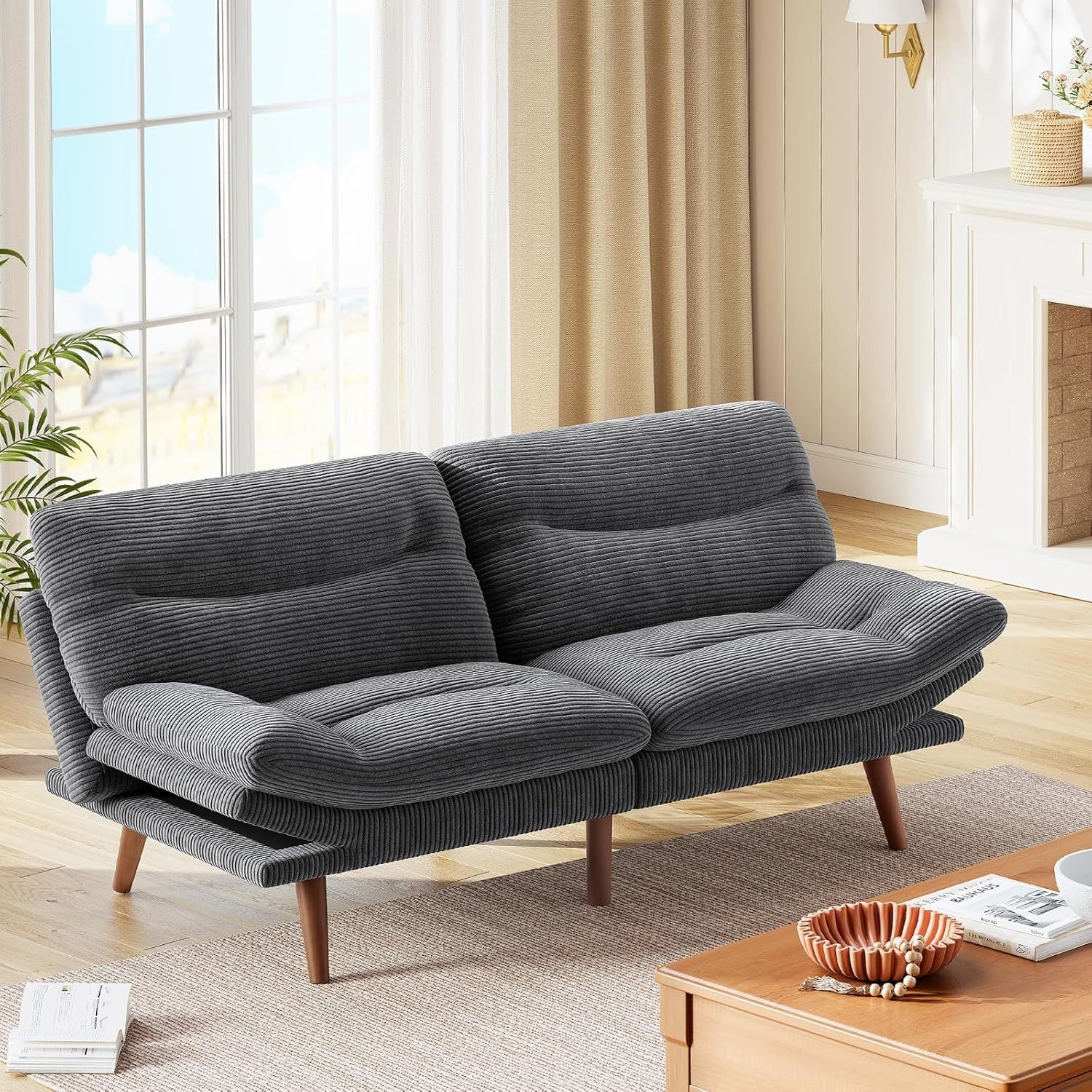
Kid-Friendly Sofa Material
A sofa in a home with children is not a decorative object. It is a high-contact, high-risk surface exposed to spills, friction, jumping, and continuous daily use. Standard upholstery materials often fail quickly under these conditions, showing stains, wear, and structural fatigue within a short period.
Choosing a kid-friendly sofa material is not about selecting something that looks durable. It requires understanding how different materials respond to liquids, abrasion, cleaning cycles, and repeated pressure. The correct choice reduces maintenance effort, extends lifespan, and maintains appearance even in demanding environments.
What Makes a Sofa Material Kid-Friendly
A material suitable for homes with children must perform across four key dimensions:
Stain Resistance
The material should prevent liquids from penetrating quickly, allowing time for cleaning.
Durability
It must withstand friction from movement, play, and repeated use without tearing or wearing out.
Ease of Cleaning
Maintenance should require minimal time and effort, with no need for specialized cleaning processes.
Safety
The material should be non-toxic, soft to touch, and free from harmful coatings or finishes.
A failure in any one of these areas leads to increased maintenance cost and reduced usability.
Best Sofa Materials for Homes with Kids
Performance Fabric (Most Recommended)
Performance fabrics are engineered specifically for high-use environments. They provide a balance of durability, comfort, and ease of maintenance.
These fabrics are designed with protective coatings or tight weaves that prevent liquid absorption. Spills remain on the surface long enough to be wiped away without staining. They also resist abrasion, making them suitable for households where the sofa is used continuously.
Another advantage is breathability. Unlike some synthetic materials, performance fabrics remain comfortable during extended sitting and do not trap excessive heat.
This makes them the most reliable option for families.
Microfiber Upholstery
Microfiber is a tightly woven synthetic material that performs well in high-contact situations.
Its dense structure prevents dirt and liquids from penetrating easily. It also resists scratches better than many traditional fabrics, which is important in homes where children may use the sofa actively.
Cleaning microfiber is straightforward. Most spills can be removed with a damp cloth, reducing the need for deep cleaning.
It is a practical option for families seeking durability at a moderate cost.
Leather (Selective Use)
Leather offers strong resistance to spills because liquids do not absorb immediately. This allows quick cleaning and reduces the risk of permanent stains.
However, leather behaves differently under mechanical stress. It can develop scratches or surface marks if exposed to sharp objects or rough use. It also requires periodic conditioning to maintain flexibility and prevent cracking.
For households with older children, leather can be a viable option. For younger children, it requires more careful use.
Treated Cotton or Blended Fabrics
Natural fabrics such as cotton can be used if they are treated with stain-resistant coatings or blended with synthetic fibers.
Untreated cotton absorbs liquids quickly and stains easily, which makes it unsuitable for high-risk environments. Treated versions improve resistance while maintaining a soft and natural feel.
These materials work best in controlled usage scenarios rather than highly active environments.
Materials to Avoid in Kid-Friendly Sofas
Certain materials are not suitable for homes with children due to low durability or high maintenance requirements.
Delicate fabrics such as velvet tend to wear quickly under friction and are difficult to clean. Loose-weave fabrics allow dirt and liquids to penetrate easily, leading to visible wear and staining.
Light-colored untreated fabrics also present challenges, as they show stains more clearly and require frequent cleaning to maintain appearance.
Structural Considerations Beyond Material
Material alone does not determine whether a sofa is kid-friendly. Internal construction plays an equally important role.
A sofa used in a family environment must include:
-
A strong frame to handle repeated movement and impact
-
High-density foam cushions to resist deformation
-
Reinforced joints to prevent loosening over time
Without these elements, even the best upholstery material will not perform effectively.
Cushion and Surface Behavior Under Active Use
Children often use sofas in ways that go beyond standard sitting. This includes jumping, climbing, and shifting positions frequently.
Cushions must therefore provide:
-
Firm support to maintain shape
-
Quick recovery after compression
-
Even weight distribution
Low-density cushions flatten quickly and create uneven seating surfaces, which affects both comfort and durability.
Maintenance Strategy for Kid-Friendly Sofas
Even the best materials require consistent care to maintain performance.
Regular surface cleaning prevents dirt buildup that can degrade materials over time. Immediate response to spills reduces the likelihood of staining. Periodic deep cleaning helps maintain hygiene and appearance.
Removable covers, when available, simplify maintenance and allow easier cleaning cycles.
Manufacturer-Level Material Control
The effectiveness of a kid-friendly sofa depends on how materials are selected and combined during manufacturing.
Penghao Furniture focuses on:
-
Performance-grade upholstery materials
-
High-density cushioning systems
-
Durable frame construction
This allows sofas to maintain their structure and appearance even in high-usage family environments. Custom material selection also enables alignment with specific household needs, such as stain resistance or enhanced durability.
Lifespan Expectations in Family Use
-
Low-quality sofa: 2–4 years
-
Standard sofa: 5–7 years
-
High-quality, kid-friendly sofa: 8–10+ years
Lifespan depends on:
-
Material quality
-
Usage intensity
-
Maintenance consistency
Final Decision Framework
To choose the best kid-friendly sofa material, evaluate:
-
Stain resistance capability
-
Durability under friction and impact
-
Ease of cleaning
-
Safety and comfort
-
Structural quality of the sofa
Conclusion
A kid-friendly sofa material must perform under real-life conditions, not controlled environments. It should handle spills, resist wear, and maintain comfort without requiring constant maintenance.
Performance fabrics and microfiber offer the most balanced solution, while leather can be effective with proper care. The final decision should combine material performance with strong internal construction to ensure long-term usability.
When selected correctly, a sofa becomes a durable and low-maintenance part of the home, capable of supporting everyday family life without constant concern over damage or wear.
