
Cart
0
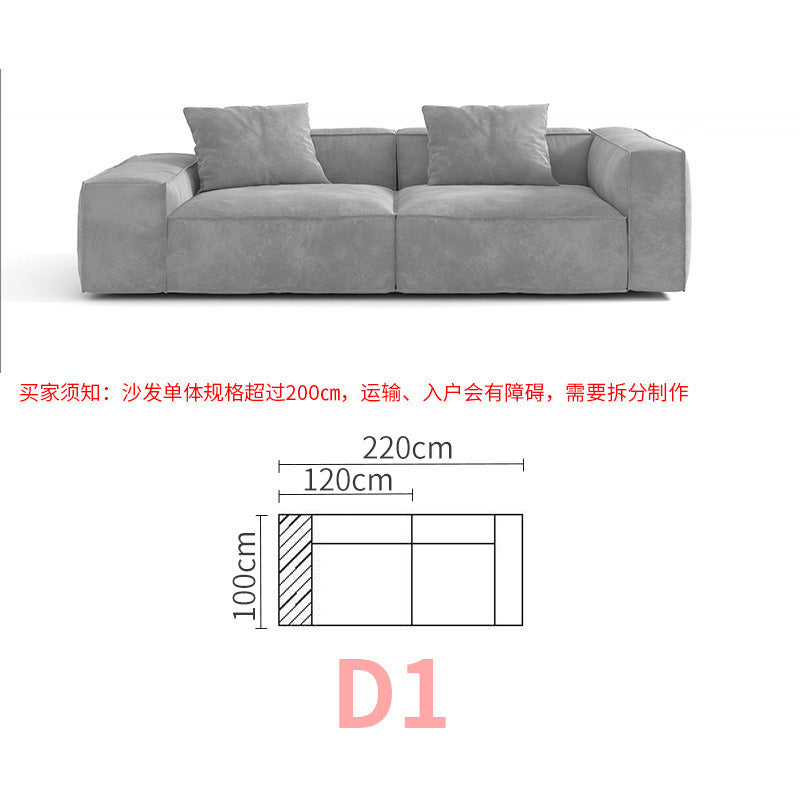
Most sofas are built for average usage conditions. When subjected to higher weight loads, they begin to fail earlier than expected. The failure is not immediate. It develops through gradual cushion compression, frame stress, and loss of structural stability.
A sofa for heavy people must be selected differently. It needs to function as a load-bearing system that can maintain shape, support, and comfort under increased pressure. This requires attention to internal construction, material density, and structural reinforcement rather than surface-level design.
Choosing the right sofa in this category is not about finding a “strong-looking” product. It is about understanding how weight interacts with the sofa’s components over time and selecting a configuration that resists deformation.
Why Standard Sofas Fail Under Higher Weight
When a sofa is used under higher load conditions, stress concentrates in specific areas:
-
Seat cushions compress faster
-
Frame joints experience repeated pressure
-
Support systems weaken over time
The most common failure point is the cushion system. Low-density foam loses its ability to recover shape, which creates uneven seating. This unevenness shifts pressure to the frame, accelerating structural wear.
In many cases, the visible issue appears as sagging, but the root cause is inadequate internal support.
Weight Capacity: What You Should Actually Look For
Sofa weight capacity is often not clearly stated, but it can be estimated based on construction quality.
General Benchmarks:
-
Standard sofa: 90–120 kg per seat
-
Reinforced sofa: 120–180 kg per seat
-
Heavy-duty sofa: 180 kg+ per seat
A sofa designed for heavy people should comfortably handle higher per-seat load without deformation.
This is achieved through stronger materials, not just thicker cushions.
Frame Construction: The Core of Strength
The frame determines whether the sofa can handle long-term stress.
Recommended Frame Materials:
-
Solid hardwood (kiln-dried)
-
Reinforced engineered wood with metal support
-
Steel or metal-reinforced frames (for commercial-grade sofas)
Why Frame Quality Matters
A weak frame leads to:
-
Creaking or noise
-
Joint loosening
-
Structural instability
A strong frame distributes weight evenly and prevents stress concentration in specific areas.
Cushion System: Preventing Sagging and Collapse
Cushions must resist compression under higher weight.
High-Density Foam (Critical Requirement)
-
Minimum: 35 kg/m³
-
Ideal for heavy use: 40+ kg/m³
Higher density foam:
-
Maintains shape longer
-
Provides firm support
-
Reduces sagging
Multi-Layer Cushioning
The best sofas use:
-
Firm base layer for support
-
Softer top layer for comfort
This ensures:
-
Comfort without excessive sinking
-
Better weight distribution
Seat Suspension System
The internal support system under cushions is often overlooked.
Strong options include:
-
Sinuous springs (heavy gauge)
-
Reinforced webbing
-
Hybrid spring systems
Weak suspension leads to early sagging even if cushions are high quality.
Seat Dimensions and Ergonomics
Proper dimensions improve comfort and reduce pressure points.
Seat Width
Wider seats distribute weight more effectively and reduce localized stress.
Seat Depth
Recommended range: 50–60 cm
Too deep:
-
Causes slouching
-
Reduces back support
Seat Height
Recommended: 42–48 cm
Slightly higher seat height:
-
Makes sitting and standing easier
-
Reduces strain on joints
Best Sofa Types for Heavy People
1. Sectional Sofas
-
Distribute weight across multiple sections
-
Provide larger seating area
Best for:
-
Families
-
Large living rooms
2. Modular Sofas
-
Flexible configuration
-
Individual sections handle load independently
Best for:
-
Custom layouts
-
Adjustable seating
3. Reinforced 3-Seater Sofas
-
Compact but strong
-
Suitable for smaller spaces
Best for:
-
Apartments
4. Commercial-Grade Sofas
-
Designed for high-traffic environments
-
Built with stronger frames and materials
Best for:
-
Long-term durability
Upholstery Materials for Heavy Use
Material choice affects both durability and maintenance.
Performance Fabric
-
Resistant to wear and friction
-
Breathable and comfortable
Best for:
-
Daily use
Leather
-
Strong and long-lasting
-
Easy to clean
Considerations:
-
Requires maintenance
-
Can feel firm
Avoid Low-Quality Fabrics
Thin or low-grade fabrics:
-
Wear out quickly
-
Show damage under pressure
Common Mistakes to Avoid
Choosing Soft Cushions
Soft cushions compress quickly under higher weight, leading to sagging.
Ignoring Frame Construction
Even premium-looking sofas fail if the frame is weak.
Buying Based on Appearance
Visual design does not indicate structural strength.
No Weight Distribution Planning
Using the same seat repeatedly increases localized wear.
Manufacturer-Level Reinforcement
For heavy-duty usage, construction quality must be controlled at the manufacturing level.
Penghao Furniture provides sofas with:
-
Reinforced frames
-
High-density foam systems
-
Customizable support structures
This allows better alignment between sofa design and actual load requirements, particularly for high-usage environments.
Lifespan Expectations
-
Low-quality sofa: 2–4 years
-
Standard sofa: 5–7 years
-
Heavy-duty reinforced sofa: 8–12+ years
Lifespan depends on:
-
Load conditions
-
Material quality
-
Usage patterns
Final Decision Framework
To choose the best sofa for heavy people, evaluate:
-
Weight capacity per seat
-
Frame strength and reinforcement
-
Cushion density (≥ 35–40 kg/m³)
-
Seat dimensions for comfort
-
Material durability
A correct choice results in:
-
Consistent support
-
Reduced sagging
-
Long-term durability
-
Comfortable daily use
Conclusion
A sofa for heavy people must function as a structural system, not just a seating surface.
The right combination of strong frame, dense cushioning, and durable materials ensures that the sofa maintains its performance under higher load conditions.
When selected correctly, it provides stability, comfort, and long-term usability without the common issues of sagging or early failure.
