
Cart
0
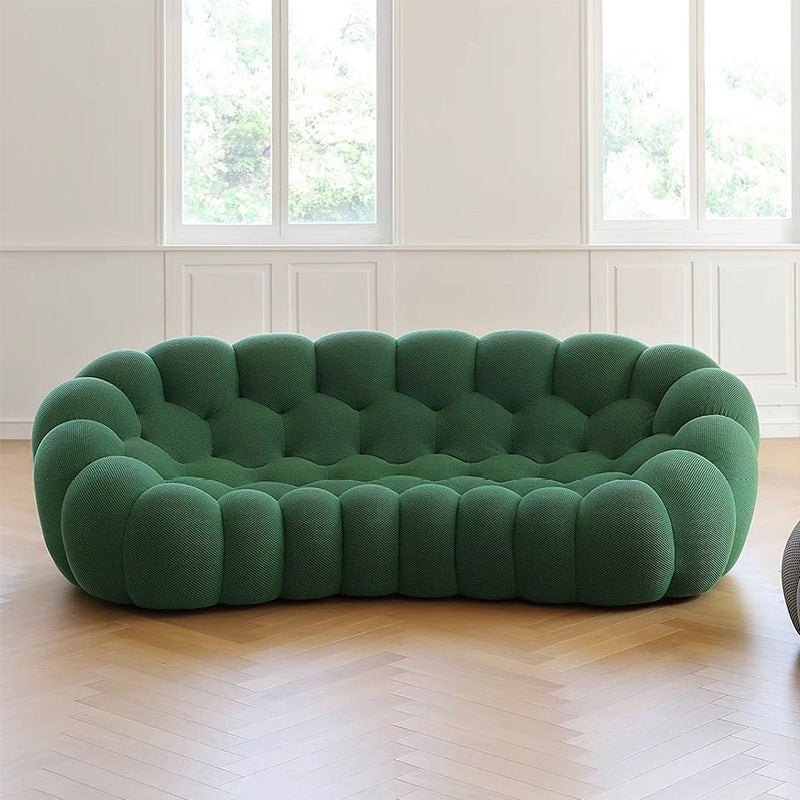
Most sofas are designed for occasional use, not extended sitting. The problem appears after 30–60 minutes when posture begins to collapse, pressure builds in the lower back, and cushions start to feel either too soft or too rigid.
A sofa suitable for long sitting hours must solve a different problem. It needs to maintain postural support, pressure distribution, and structural consistency over extended periods of use. This is not a design feature; it is an engineering requirement.
Choosing the right sofa for long sitting hours requires understanding how the body interacts with seating over time, and how materials respond under continuous load.
Why Standard Sofas Fail During Long Sitting
A typical sofa is optimized for initial comfort. It feels soft when you sit down, but that softness often leads to poor support after prolonged use.
The failure usually occurs in three stages:
-
The cushion compresses, reducing support
-
The pelvis tilts backward, affecting spinal alignment
-
Pressure builds in the lower back and hips
This creates discomfort, even if the sofa initially feels comfortable.
A sofa for long sitting must resist this process by maintaining consistent support across time, not just at first contact.
Ergonomic Design: The Foundation of Long Sitting Comfort
Comfort for extended sitting is determined by measurable design parameters rather than subjective feel.
Seat Height
A seat height between 40–45 cm allows feet to rest flat on the floor while maintaining proper knee alignment. If the seat is too low, the hips drop below knee level, increasing pressure on the lower back.
Seat Depth
The ideal depth is 50–60 cm. This allows users to sit with their back supported while keeping feet grounded.
A deeper seat may feel luxurious but forces the user to slouch unless additional support cushions are used.
Backrest Angle
A backrest angle of 100–110 degrees provides a balance between upright support and relaxation. This range supports the natural curve of the spine without encouraging collapse.
Lumbar Support
The lower back requires consistent support to prevent fatigue. Sofas designed for long sitting often include:
-
Slight lumbar contour
-
Firmer back cushioning
-
Supportive backrest structure
Without lumbar support, discomfort develops even if other dimensions are correct.
Cushion Engineering: Support Over Time
Cushion performance is the most critical factor in long-duration comfort.
High-Density Foam
Foam density directly impacts how well the sofa maintains its shape.
-
≥ 35 kg/m³ → suitable for long sitting
-
Lower density → faster compression and sagging
High-density foam provides resistance that supports body weight without collapsing.
Multi-Layer Cushioning
A well-designed cushion uses:
-
Firm base layer for support
-
Softer top layer for comfort
This combination prevents the “sinking effect” while still feeling comfortable.
Cushion Recovery
For long sitting scenarios, cushions must:
-
Return to original shape quickly
-
Maintain consistent firmness over repeated use
Slow recovery foam leads to uneven seating and discomfort over time.
Upholstery Materials and Long-Term Comfort
Material choice affects temperature, feel, and maintenance.
Fabric Sofas
Fabric is generally better for long sitting because:
-
It is breathable
-
It does not retain heat
-
It provides a softer surface feel
Best for:
-
Daily use
-
Warm climates
-
Work-from-home environments
Leather Sofas
Leather offers durability but behaves differently under long sitting.
Advantages:
-
Easy to clean
-
Long lifespan
Limitations:
-
Can feel warm over time
-
Less breathable
Best for:
-
Short-to-medium sitting durations
-
Premium environments with controlled climate
Performance Fabric
Performance fabrics combine:
-
Breathability
-
Durability
-
Stain resistance
They are often the most balanced option for long sitting hours.
Sofa Types Best Suited for Long Sitting
Different sofa designs support long sitting in different ways.
Straight 3-Seater Sofa
-
Supports upright posture
-
Works well with proper cushion design
Best for:
-
Work and structured sitting
Sectional Sofa with Chaise
-
Allows multiple sitting positions
-
Supports both upright and relaxed postures
Best for:
-
Mixed usage (work + relaxation)
Recliner Sofa
-
Adjustable positioning
-
Reduces pressure on spine
Best for:
-
Extended relaxation
Limitation:
-
Requires more space
Modular Sofa
-
Flexible configuration
-
Adapts to different sitting needs
Best for:
-
Dynamic environments
Structural Integrity for Long-Term Use
A sofa used for long hours experiences continuous load. This makes the internal structure critical.
Frame Requirements:
-
Solid hardwood frame
-
Reinforced joints
-
Stable support system
Weak frames lead to:
-
Noise under load
-
Uneven seating
-
Reduced lifespan
Common Mistakes When Choosing a Sofa for Long Sitting
Choosing Based on Softness
Soft sofas feel comfortable initially but fail quickly under prolonged use.
Ignoring Seat Depth
Deep sofas encourage slouching and reduce back support.
Low-Density Cushions
Result in:
-
Sagging
-
Uneven support
No Lumbar Support
Leads to:
-
Lower back pain
-
Poor posture
Manufacturer-Level Build Quality
Long sitting requires consistency over time, which depends on build quality.
Penghao Furniture focuses on:
-
High-density foam systems
-
Reinforced frames
-
Ergonomic seating design
This allows sofas to maintain comfort even under extended daily use, which is essential for work-from-home setups and high-usage environments.
How Long Should a Sofa for Long Sitting Last
-
Low-quality sofa: 2–4 years
-
Standard sofa: 5–7 years
-
High-quality ergonomic sofa: 8–12 years
Lifespan depends on:
-
Cushion density
-
Frame strength
-
Usage intensity
Final Decision Framework
To choose the best sofa for long sitting hours, align:
-
Ergonomics (seat height, depth, back angle)
-
Cushion quality (density and layering)
-
Material (breathability and durability)
-
Structure (frame strength)
-
Usage pattern (daily hours)
A correct choice results in:
-
Consistent comfort over time
-
Proper posture support
-
Reduced physical strain
-
Longer product lifespan
Conclusion
A sofa for long sitting hours is not defined by how it feels in the first five minutes. It is defined by how it performs after hours of continuous use.
The right combination of ergonomic design, cushion engineering, and material selection ensures that the sofa supports the body instead of working against it.
When chosen correctly, it becomes a reliable seating system that maintains comfort, structure, and usability over years of daily use.
