
Cart
0
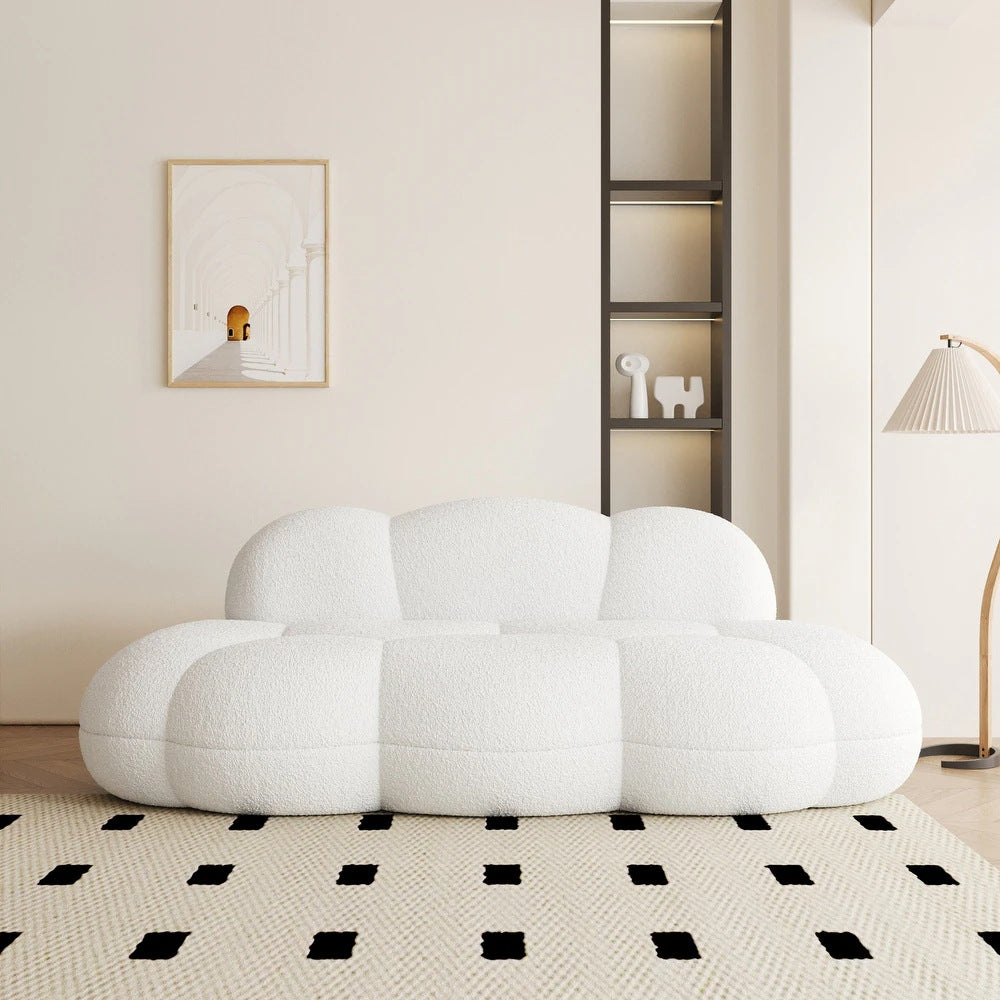
A sofa in a home with pets operates under conditions that are closer to commercial usage than standard residential use. Claws create surface abrasion, fur accumulates in fibers, and accidents introduce moisture and odor into upholstery. These factors accelerate wear and reduce the lifespan of typical sofas.
Choosing a sofa for pets is not about avoiding damage entirely. It is about selecting materials and construction that resist wear, simplify cleaning, and maintain structural integrity under repeated stress. A well-selected pet-friendly sofa does not eliminate maintenance, but it significantly reduces effort and extends usable life.
How Pets Affect Sofa Performance
Pet-related wear follows predictable patterns:
-
Surface abrasion from claws leads to visible scratches or pulled fibers
-
Hair accumulation embeds into fabrics, especially loose weaves
-
Moisture exposure from spills or accidents penetrates upholstery
-
Odor retention occurs when liquids reach inner layers
These issues primarily affect upholstery first, but over time they also impact cushions and internal structure if not managed properly.
What Makes a Sofa Pet-Friendly
A sofa suitable for homes with pets must perform across four key areas:
1. Scratch Resistance
The material should resist tearing or pulling when exposed to claws.
2. Tight Weave or Smooth Surface
Prevents fur from embedding deeply and simplifies cleaning.
3. Moisture Resistance
Reduces absorption of liquids and prevents odor buildup.
4. Structural Durability
Supports repeated movement, jumping, and shifting weight.
Failure in any of these areas leads to rapid visible wear and increased maintenance.
Best Sofa Materials for Pets
Performance Fabric (Most Balanced Option)
Performance fabrics are engineered for high-use environments. Their tight weave and protective coatings make them resistant to stains and abrasion.
Claws are less likely to penetrate the surface, and fur remains on top rather than embedding into the material. Cleaning is straightforward, often requiring only vacuuming or light wiping.
This makes performance fabric the most practical and widely recommended option for pet owners.
Microfiber Upholstery
Microfiber is a synthetic material with a dense structure that resists scratching and staining.
Its tight fiber composition prevents claws from catching easily, reducing the risk of visible damage. It also repels liquids to a certain extent, allowing quick cleanup before absorption.
Microfiber is particularly effective for households with cats, where claw-related damage is a primary concern.
Leather (Selective Use)
Leather offers a smooth surface that does not trap pet hair and is easy to wipe clean. However, it behaves differently under scratching.
While it resists liquid damage, it can show visible marks from claws. Over time, these marks may blend into a natural patina, but in high-activity environments they can become prominent.
Leather is suitable for:
-
Homes with well-trained pets
-
Lower activity levels
-
Owners willing to maintain and condition the material
Outdoor / Performance Blended Fabrics
Some outdoor-grade fabrics are designed to resist moisture, stains, and UV exposure. These materials perform well in pet environments due to their durability and ease of cleaning.
They are particularly useful in households with multiple pets or high activity levels.
Sofa Materials to Avoid for Pet Owners
Certain materials are highly susceptible to damage in pet environments.
Loose-weave fabrics allow claws to catch and pull threads, leading to visible damage. Delicate materials such as velvet attract hair and are difficult to clean, making them impractical for daily use.
Silk and untreated natural fibers also absorb moisture quickly and stain easily, reducing their usability in homes with pets.
Structural Requirements for Pet-Friendly Sofas
Pets do not use sofas in a static way. Jumping, running, and shifting weight create dynamic stress on the structure.
A suitable sofa should include:
-
Solid wood or reinforced frame
-
Strong joinery to prevent loosening
-
High-density foam cushions (≥ 35 kg/m³)
This ensures the sofa maintains its shape and stability even under repeated impact.
Cushion Design and Pet Interaction
Cushions must be designed to recover quickly after compression. Pets often concentrate weight in small areas, which increases localized stress.
High-density foam prevents deep indentation and maintains even seating. Removable cushion covers provide an additional advantage by allowing easy cleaning and replacement when needed.
Cleaning and Maintenance Strategy
Maintenance is a continuous requirement in pet-friendly environments.
Regular vacuuming removes hair and prevents buildup within the fabric. Immediate cleaning of spills or accidents reduces the risk of staining and odor retention.
Using washable or removable covers simplifies maintenance and extends the lifespan of the sofa. Protective layers such as throws can also reduce direct exposure to wear.
Odor Control and Material Behavior
Odor retention is often overlooked when selecting a sofa for pets.
Materials with high absorbency trap moisture and odor within inner layers. Over time, this becomes difficult to remove.
Performance fabrics and tightly woven materials reduce this risk by limiting absorption. Leather, while easy to clean on the surface, requires proper maintenance to prevent odor accumulation in seams or creases.
Manufacturer-Level Material Selection
Pet-friendly performance depends on how materials and structure are combined during manufacturing.
Penghao Furniture focuses on:
-
Durable upholstery with tight weaves
-
High-density cushioning systems
-
Reinforced frame construction
This allows sofas to perform consistently in high-use environments, including homes with pets. Custom material selection also enables adaptation based on the type and activity level of pets.
Lifespan Expectations with Pets
-
Low-quality sofa: 2–3 years
-
Standard sofa: 4–6 years
-
High-quality pet-friendly sofa: 7–10+ years
Lifespan depends on:
-
Material durability
-
Pet activity level
-
Maintenance consistency
Final Decision Framework
To choose the best sofa for pets, evaluate:
-
Scratch resistance of material
-
Ease of cleaning and hair removal
-
Moisture and odor resistance
-
Cushion density and recovery
-
Frame strength and stability
Conclusion
A sofa for pets must function under conditions of continuous wear, impact, and exposure to dirt and moisture. The right combination of material, structure, and maintenance strategy ensures that the sofa remains usable and visually consistent over time.
Performance fabrics and microfiber provide the most reliable results, while leather can be effective in controlled environments. The key is selecting a system that resists damage rather than attempting to avoid it entirely.
When chosen correctly, a pet-friendly sofa becomes a durable and manageable part of the home, capable of handling daily use without rapid deterioration.
