
Cart
0
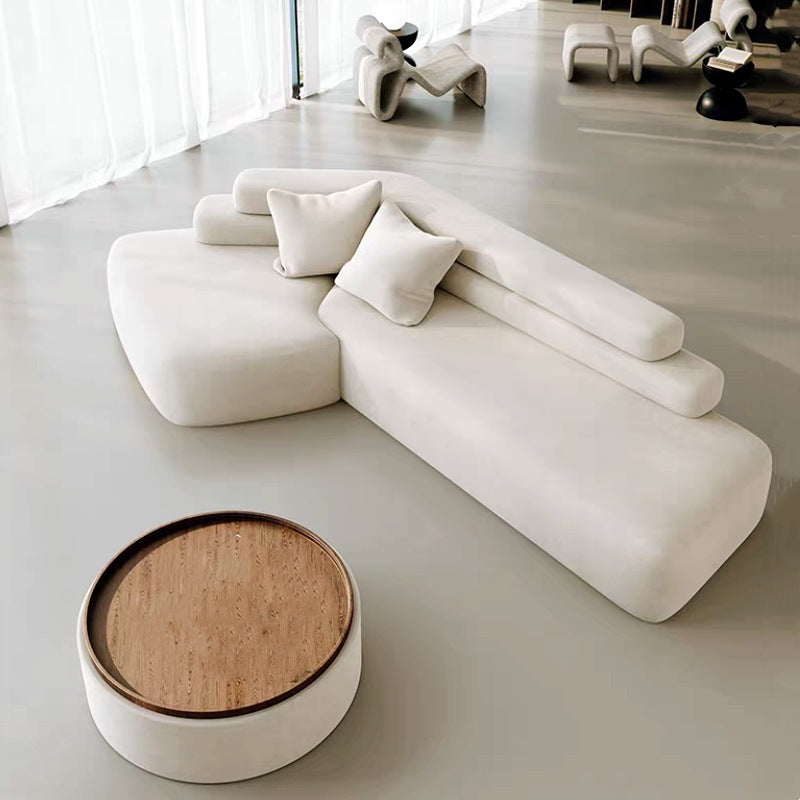
Best Sofa for Restaurant Seating
The best sofa for restaurant seating combines commercial-grade durability, ergonomic comfort, easy-maintenance upholstery, and efficient space planning. Restaurant sofas experience significantly higher daily traffic than residential furniture, which means frame construction, foam density, stain resistance, and seating layout directly affect operational lifespan and customer experience. For most restaurants, modular booth sofas, upholstered banquette seating, and commercial-grade lounge sofas provide the best balance between comfort, visual appeal, and long-term durability.
Restaurant seating should support continuous daily use for 8–14 hours while maintaining structural stability, comfort retention, and aesthetic consistency across the dining environment.
Why Restaurant Sofas Require Different Construction Than Residential Sofas
Residential sofas are designed for moderate household use. Restaurant sofas operate under constant pressure from repeated customer turnover, food spills, shifting weight distribution, and continuous cleaning cycles.
A café serving 180–250 customers daily creates significantly more seat compression and fabric wear than a residential living room. Low-density foam and weak frame structures begin sagging quickly in commercial environments.
Commercial restaurant sofas require:
-
Reinforced internal frames
-
High-density foam cushions
-
Commercial upholstery materials
-
Stain-resistant finishes
-
Heavy-duty suspension systems
-
Easy-clean surfaces
Without commercial-grade construction, restaurant sofas lose shape, loosen structurally, and deteriorate visually within 12–24 months.
Best Sofa Types for Restaurant Seating
Banquette Seating Sofas
Banquette seating maximizes floor efficiency while creating organized customer flow. Most restaurants use banquette sofas along walls or perimeter layouts to increase seating capacity without overcrowding the dining area.
Best For
-
Cafés
-
Casual dining restaurants
-
Fast-casual concepts
-
Compact restaurant layouts
Advantages
| Benefit | Operational Impact |
|---|---|
| Space efficiency | Increases seating capacity |
| Fixed layout | Improves traffic flow |
| Easier cleaning | Reduces furniture movement |
| Consistent seating alignment | Better visual organization |
Banquette seating works especially well in restaurants with limited square footage because it reduces wasted circulation space between tables.
Modular Restaurant Sofas
Modular sofas allow restaurants to adapt layouts for group seating, events, and changing traffic patterns.
Best For
-
Hotel restaurants
-
Luxury dining spaces
-
Lounge-style restaurants
-
Flexible hospitality environments
Advantages
| Feature | Benefit |
|---|---|
| Reconfigurable sections | Flexible seating arrangements |
| Scalable layouts | Easy expansion |
| Modern appearance | Luxury hospitality feel |
| Better zoning | Separates dining areas visually |
Restaurants with evolving layouts benefit from modular systems because sections can be rearranged without replacing furniture.
Booth Sofas
Booth seating improves privacy, acoustic comfort, and dining intimacy while maximizing customer retention time.
Best For
-
Family restaurants
-
American diners
-
Casual hospitality chains
-
High-volume dining operations
Why Restaurants Prefer Booth Seating
Customers stay longer in booth seating because enclosed seating creates psychological comfort and noise reduction.
Booth seating also improves operational organization by:
-
Defining table boundaries
-
Reducing aisle obstruction
-
Improving customer privacy
-
Increasing seating efficiency
Lounge Sofas for Hospitality Restaurants
Luxury restaurants and hotel dining areas often use lounge sofas to create premium hospitality experiences.
Best For
-
Hotel lobby restaurants
-
Rooftop dining
-
VIP hospitality areas
-
Luxury restaurant concepts
Recommended Construction
| Component | Recommended Specification |
|---|---|
| Foam density | 2.2–2.8 lb |
| Upholstery | Commercial-grade velvet or leather |
| Frame | Kiln-dried hardwood |
| Suspension | Reinforced sinuous springs |
| Seat depth | 22–25 inches |
Lounge sofas should prioritize both visual sophistication and structural endurance.
Best Upholstery Materials for Restaurant Sofas
Restaurant upholstery must withstand food spills, repeated cleaning, body oils, friction abrasion, and temperature variation.
Performance Fabric
Performance fabric is one of the best upholstery choices for restaurant seating because it combines stain resistance with durability.
Advantages
-
Easy stain removal
-
Moisture resistance
-
Better breathability
-
Lower maintenance cost
-
High abrasion resistance
Performance woven fabrics perform especially well in family restaurants and high-turnover cafés.
Faux Leather
Commercial faux leather provides a luxury appearance with easier maintenance than natural leather.
Best For
-
Fast cleaning operations
-
Contemporary restaurants
-
High-turnover hospitality spaces
Benefits
| Feature | Operational Benefit |
|---|---|
| Non-porous surface | Easier cleaning |
| Spill resistance | Better hygiene |
| Consistent appearance | Uniform branding |
| Lower maintenance | Reduced upkeep |
Velvet Upholstery
Velvet creates a premium hospitality aesthetic but works best in lower-traffic upscale environments.
Best For
-
Luxury lounges
-
Boutique restaurants
-
VIP seating areas
Velvet should be commercial-grade with high abrasion ratings to prevent rapid wear.
Best Sofa Frame Construction for Commercial Restaurants
Restaurant seating durability depends primarily on internal frame engineering.
Recommended Commercial Frame Materials
| Frame Material | Commercial Durability |
|---|---|
| Kiln-dried hardwood | Excellent |
| Hardwood + metal reinforcement | Best commercial option |
| Engineered plywood | Good |
| Particleboard | Poor |
| Stapled softwood | Low durability |
Commercial restaurants should avoid residential-grade particleboard frames because repeated customer use weakens joints quickly.
Best Cushion Density for Restaurant Seating
Restaurant cushions require firmer support than residential sofas because softer foam compresses rapidly under continuous use.
Recommended Foam Density
| Usage Level | Recommended Density |
|---|---|
| Light hospitality use | 1.8–2.0 lb |
| Standard restaurant use | 2.0–2.4 lb |
| Heavy commercial use | 2.5+ lb |
Higher-density foam retains shape longer and reduces visible seat sagging.
Restaurant Sofa Layout Planning
The best restaurant sofa layout improves customer comfort without reducing operational movement efficiency.
Recommended Spacing Guidelines
| Layout Area | Recommended Clearance |
|---|---|
| Main walkways | 48–60 inches |
| Between tables | 18–24 inches |
| Sofa-to-table distance | 10–14 inches |
| Service pathways | 36+ inches |
Restaurants with poor seating flow reduce both customer comfort and staff efficiency.
Best Restaurant Sofa Styles by Restaurant Type
Café Seating
Recommended sofa style:
-
Compact banquette seating
-
Low-profile upholstered sofas
-
Easy-clean fabric surfaces
Fine Dining Restaurants
Recommended sofa style:
-
Luxury upholstered booths
-
Velvet lounge seating
-
Premium leather banquettes
Hotel Restaurants
Recommended sofa style:
-
Modular hospitality sofas
-
Curved lounge seating
-
Designer commercial sofas
Fast Casual Restaurants
Recommended sofa style:
-
Durable faux leather booths
-
Compact modular seating
-
High-density commercial cushions
Common Restaurant Seating Mistakes
Choosing Residential Sofas for Commercial Use
Residential sofas fail quickly under restaurant traffic intensity.
Using Low-Density Foam
Soft low-density cushions lose shape rapidly in high-turnover environments.
Ignoring Cleanability
Restaurants need upholstery designed for repeated sanitation and stain removal.
Poor Layout Planning
Oversized sofas reduce traffic flow and operational efficiency.
How Long Should Restaurant Sofas Last?
Commercial restaurant sofas typically last:
| Quality Level | Average Lifespan |
|---|---|
| Low-quality residential furniture | 1–3 years |
| Mid-grade commercial seating | 4–6 years |
| Premium commercial sofas | 7–12+ years |
Lifespan depends on customer traffic volume, maintenance frequency, and upholstery quality.
Why Restaurants Work Directly With Furniture Manufacturers
Restaurants sourcing directly from manufacturers gain:
-
Custom sizing options
-
Better commercial material selection
-
Lower per-unit costs
-
Bulk production capability
-
Consistent branding across locations
-
OEM customization support
For hospitality businesses scaling multiple locations, direct manufacturing partnerships reduce long-term procurement costs significantly.
Penghao Furniture manufactures commercial sofas, restaurant seating systems, hospitality lounge furniture, and custom OEM furniture solutions designed for high-traffic hospitality environments. Penghao Furniture focuses on modern commercial construction, durable upholstery systems, and scalable seating solutions for restaurants, cafés, hotels, and interior design projects.
Final Verdict
The best sofa for restaurant seating balances durability, comfort, cleanability, and operational efficiency. Commercial-grade frame construction, high-density foam, stain-resistant upholstery, and optimized seating layouts determine whether restaurant furniture performs successfully over years of continuous use.
Restaurants prioritizing long-term value should focus on commercial engineering standards instead of residential aesthetics alone. Properly constructed restaurant sofas improve customer comfort, extend furniture lifespan, strengthen brand presentation, and reduce replacement costs over time.