
Cart
0
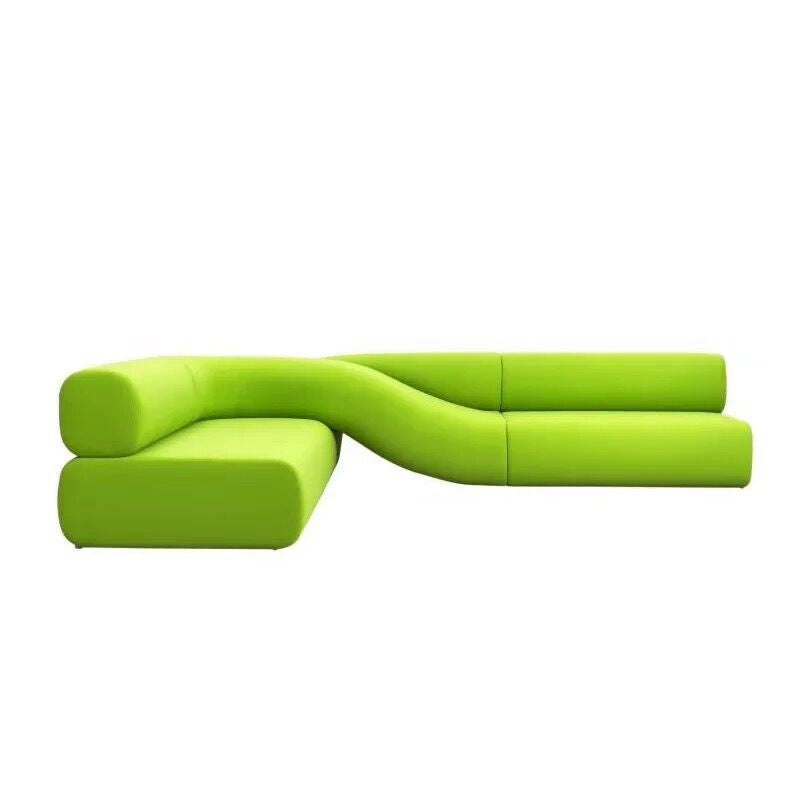
Hotel Lobby Sofa Design
A hotel lobby operates as both a functional circulation space and a brand statement. Every element within it contributes to how guests perceive the property, but the sofa carries disproportionate importance because it combines visual presence, physical interaction, and continuous usage. Unlike residential furniture, lobby seating is exposed to repeated cycles of use throughout the day, often by different users with different expectations.
This shifts the decision-making process from aesthetic preference to performance-based selection. A hotel lobby sofa must maintain its structure, comfort, and appearance under sustained load while also aligning with the architectural language of the space. When this alignment fails, the issue is rarely visible on day one. It appears over time through cushion deformation, fabric wear, and layout inefficiencies that affect guest movement.
Understanding the Role of Sofas in Lobby Systems
A sofa in a hotel lobby is not an isolated object. It functions as part of a broader spatial system that includes reception flow, waiting areas, circulation paths, and informal meeting zones. Its placement and configuration influence how guests move, where they pause, and how long they stay.
In high-end hospitality environments, sofas are often used to create micro-environments within a larger open space. These zones allow for different types of interactions: short waiting periods, casual conversations, or extended relaxation. The design challenge is to balance openness with defined seating areas without creating visual clutter or restricting movement.
This is why layout planning precedes product selection. Choosing a sofa without understanding how it integrates into the lobby system leads to inefficient use of space and reduced functionality.
Layout Strategy: Structuring Movement and Interaction
The effectiveness of a hotel lobby sofa is largely determined by how it is positioned within the space. Layout decisions should be based on traffic flow, available area, and intended use cases rather than symmetry or visual preference alone.
Centralized Layout Systems
In large lobbies, sofas are often arranged in central clusters. This approach creates a focal point and encourages social interaction. However, the spacing between pieces must be calculated carefully. Insufficient clearance results in congestion, while excessive spacing reduces usability and breaks the visual cohesion of the seating area.
A properly designed central layout maintains clear circulation paths around the seating cluster while allowing guests to enter and exit the area naturally.
Linear and Perimeter Layouts
In more constrained or business-oriented environments, sofas are placed along walls or corridors. This approach prioritizes movement efficiency and keeps the central area open. The risk with this layout is that it can feel transactional rather than welcoming if not balanced with additional seating elements or visual anchors.
Modular and Adaptive Layouts
Modern hospitality spaces increasingly rely on modular sofa systems. These allow operators to reconfigure seating based on changing needs, such as events or seasonal adjustments. Modular layouts introduce flexibility, but they also require consistency in design language to avoid a fragmented appearance.
Zoned Layout Approach
In premium hotels and resorts, the lobby is divided into multiple seating zones. Each zone serves a specific function and uses sofas to define its boundaries. This creates a layered experience where guests can choose between open, semi-private, and intimate seating areas.
Material Selection: Performance Under Continuous Use
Material choice determines how a sofa performs after months and years of use. In a hotel environment, failure typically begins at the surface level but originates from deeper structural weaknesses.
Upholstery Performance
Performance fabrics are widely used in hospitality settings due to their resistance to stains, abrasion, and moisture. These materials are engineered to maintain appearance despite frequent cleaning and heavy usage. They also provide a level of comfort that supports extended sitting without overheating.
Leather is often selected for its visual appeal and ease of maintenance. It performs well in high-traffic areas where quick cleaning is required. However, it must be properly treated and maintained to prevent drying and surface damage over time.
Decorative materials such as velvet are used selectively in low-traffic zones where visual impact is prioritized over durability. Their application must be controlled to avoid premature wear.
Structural Materials
The internal structure of the sofa determines its lifespan. A commercial-grade sofa typically uses a solid hardwood frame with reinforced joints to handle repeated load cycles. In some cases, metal components are integrated to increase strength in high-stress areas.
The support system, whether webbing or springs, plays a critical role in maintaining seating integrity. Weak support systems lead to uneven seating and early sagging, even if the external materials appear intact.
Cushion Engineering
Cushion performance is a primary indicator of long-term quality. High-density foam, typically at or above 35 kg/m³, is used to ensure resistance to compression. Multi-layer cushioning systems combine firmness for support with softer top layers for comfort.
In a hotel environment, cushions must recover quickly after use and maintain consistent shape across thousands of usage cycles.
Comfort Design: Balancing Ergonomics and Durability
Comfort in a hotel lobby differs from residential comfort. Guests typically use lobby seating for shorter durations, but the sofa must accommodate a wide range of body types and sitting postures.
This requires a balanced ergonomic profile:
-
Seat height within a functional range that allows easy sitting and standing
-
Seat depth that supports both upright and relaxed postures
-
Backrest angle that provides support without encouraging excessive lounging
An overly soft sofa may feel comfortable initially but will degrade quickly under commercial use. Conversely, a sofa that is too firm reduces user satisfaction. The optimal solution lies in controlled firmness that maintains structural integrity while offering adequate comfort.
Design Language and Brand Alignment
The sofa must align with the overall interior design strategy of the hotel. It should reinforce the brand identity rather than act as a standalone statement.
In modern luxury environments, sofas tend to feature clean lines, neutral palettes, and modular forms. These designs emphasize spatial clarity and adaptability.
In classic or heritage properties, sofas often incorporate detailed craftsmanship, deeper seating, and richer materials. These elements create a sense of tradition and permanence.
In business-oriented hotels, the design approach shifts toward efficiency and simplicity, with compact forms and durable materials that support high turnover.
The key is consistency. A mismatch between sofa design and interior concept creates visual dissonance and weakens the overall impression of the space.
Common Failure Points in Hotel Lobby Sofas
Most issues with lobby sofas do not stem from a single mistake but from a combination of misaligned decisions.
One of the most common problems is the use of residential-grade furniture in a commercial environment. These products are not built for continuous usage and tend to fail within a short period.
Another frequent issue is incorrect sizing. Oversized sofas can restrict movement and disrupt the flow of the lobby, while undersized seating fails to meet capacity requirements.
Material misselection also contributes to early degradation. Fabrics that are not designed for high traffic quickly show wear, affecting both appearance and maintenance costs.
Manufacturer vs Retail Sourcing in Hospitality Projects
The sourcing model has a direct impact on both cost and performance. Retail furniture often includes significant markup due to distribution and branding layers, but it may not offer the level of customization or structural strength required for commercial use.
Manufacturer-based sourcing allows for greater control over dimensions, materials, and construction methods. This is particularly important in hotel projects where standard retail dimensions may not fit the layout requirements.
Penghao Furniture operates within this model, providing custom solutions for hospitality environments. By controlling the full production process, it is possible to align sofa design with specific project requirements, including layout constraints, material preferences, and durability standards. This approach is commonly used by interior designers and project developers who require consistency across multiple units or locations.
Cost vs Long-Term Performance
In hospitality projects, initial cost should not be evaluated in isolation. A lower-cost sofa that requires replacement within a few years results in higher total expenditure compared to a higher-quality product with a longer lifespan.
Commercial-grade sofas typically last between eight to twelve years when properly maintained. This extended lifespan reduces replacement frequency and ensures consistent guest experience over time.
The evaluation should therefore focus on cost per year of use, not just purchase price.
Final Decision Framework
Selecting a hotel lobby sofa requires aligning multiple variables into a single system:
-
Spatial layout and traffic flow
-
Expected usage intensity
-
Material durability and maintenance requirements
-
Brand positioning and design language
When these factors are considered together, the result is a seating solution that performs reliably while enhancing the overall guest experience.
A well-designed lobby sofa does not draw attention to itself through excess. Instead, it integrates seamlessly into the environment, supports continuous use, and maintains its presence over time. In a commercial setting, that consistency is the defining characteristic of quality.
