
Cart
0
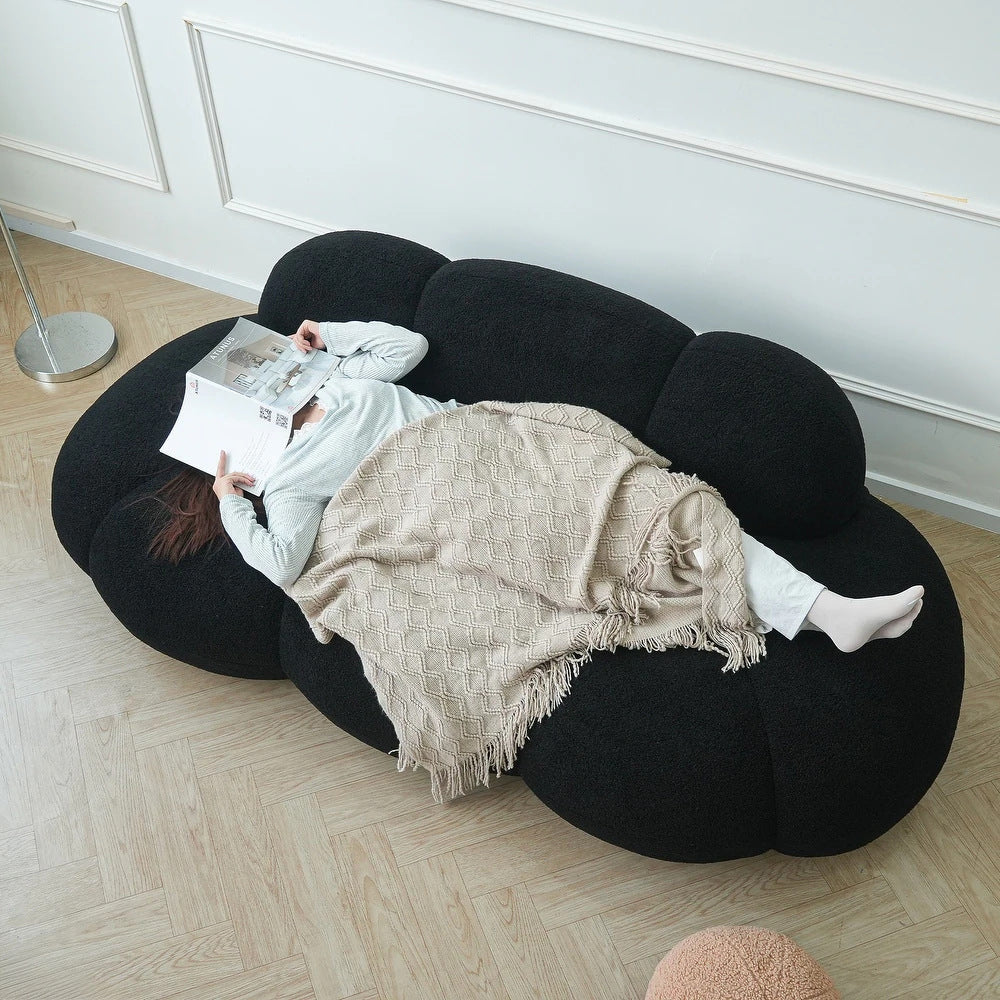
A sofa does not fail suddenly. The failure begins gradually through cushion compression, frame stress, and material wear. Most sofas lose performance long before they become unusable, which is why many households replace them earlier than expected.
Extending the lifespan of a sofa is not dependent on a single action. It is the result of consistent maintenance, correct usage patterns, and material-specific care. When these factors are aligned, a standard sofa can last several years longer than its expected lifecycle, while a high-quality sofa can maintain performance for a decade or more.
Understanding How Sofas Degrade Over Time
Before extending lifespan, it is necessary to understand how deterioration occurs.
A sofa is composed of three primary layers:
-
Structural frame
-
Cushion system
-
Upholstery
Each layer fails differently.
The frame weakens under repeated load if joints are not reinforced. The cushions compress as foam loses density and elasticity. Upholstery wears due to friction, sunlight exposure, and improper cleaning.
Most failures begin at the cushion level. Once the foam loses its ability to recover, seating becomes uneven, which increases stress on the frame and accelerates overall degradation.
Daily Usage Habits That Impact Lifespan
How a sofa is used on a daily basis directly affects how long it will last. Improper usage patterns often reduce lifespan more than material limitations.
One of the most common issues is concentrated seating. When the same spot is used repeatedly, that section of the cushion compresses faster than the rest, creating uneven support. Over time, this imbalance affects posture and increases structural strain.
Distributing usage evenly across the sofa helps maintain consistent wear. Encouraging different seating positions and rotating cushions reduces localized stress and prolongs cushion performance.
Another factor is load behavior. Sofas are designed for sitting, not for continuous jumping, standing, or placing excessive weight on armrests. These actions create stress points that weaken joints and internal supports.
Cushion Maintenance and Rotation Strategy
Cushions are the first component to show signs of wear, which makes their maintenance critical.
Rotating seat and back cushions on a regular basis ensures that pressure is evenly distributed. This prevents one section from deteriorating faster than others. For reversible cushions, flipping them periodically helps maintain uniform compression.
In addition to rotation, cushions should be reshaped manually if they begin to lose form. This is particularly important for sofas with fiber or feather-filled layers, where internal materials shift during use.
High-density foam cushions maintain shape longer, but even these benefit from rotation to maximize lifespan.
Cleaning and Upholstery Care
Upholstery is exposed to constant contact, making it vulnerable to dirt accumulation, stains, and abrasion.
Regular cleaning prevents particles from embedding into the fabric or leather surface. Dust and debris act as abrasive elements, gradually wearing down the material through friction.
For fabric sofas, vacuuming with a soft brush attachment removes surface dirt and prevents buildup. For leather sofas, dry wiping followed by occasional conditioning maintains flexibility and prevents cracking.
Spill management is a critical factor. Liquids should be addressed immediately by blotting rather than rubbing, as rubbing spreads the substance deeper into the material. Delayed cleaning increases the likelihood of permanent stains and material damage.
Protecting the Sofa from Environmental Damage
Environmental conditions play a significant role in sofa longevity.
Direct sunlight causes fading and material breakdown, particularly in leather and dyed fabrics. Over time, UV exposure weakens fibers and reduces elasticity. Positioning the sofa away from direct sunlight or using window coverings helps mitigate this effect.
Heat sources such as radiators and heaters accelerate moisture loss in materials, leading to dryness and cracking. Maintaining distance from such sources preserves material integrity.
Humidity levels also matter. Extremely dry conditions can cause leather to lose moisture, while excessive humidity can affect fabric and internal components. A balanced indoor environment supports long-term performance.
Structural Protection and Weight Distribution
The internal frame of a sofa is designed to handle repeated load, but improper use can accelerate structural fatigue.
Sitting on armrests or backrests creates uneven stress that these components are not designed to تحمل. Over time, this leads to loosening joints and reduced stability.
Ensuring that the sofa is placed on an even surface is equally important. Uneven flooring creates imbalance, which shifts weight distribution and places additional stress on specific points of the frame.
If the sofa includes legs, periodic checking and tightening of fittings helps maintain structural stability.
Material-Specific Care Strategies
Different materials require different approaches to maximize lifespan.
Fabric Sofas
Fabric sofas benefit from regular vacuuming and occasional deep cleaning. Using protective treatments or performance fabrics can reduce staining and improve durability. Avoiding harsh chemicals preserves the integrity of fibers.
Leather Sofas
Leather requires conditioning every few months to maintain moisture balance. Without conditioning, the material becomes dry and prone to cracking. Cleaning should be done with products specifically designed for leather to avoid surface damage.
Mixed Material Sofas
Sofas that combine materials, such as wood and upholstery, require attention to both components. Wooden elements should be kept clean and free from moisture, while upholstery should follow its respective care routine.
Repair vs Replacement Decision
Extending lifespan also involves knowing when to repair rather than replace.
Minor issues such as loose screws, small tears, or cushion softening can often be addressed without replacing the entire sofa. Cushion inserts can be upgraded, and upholstery can be repaired if the frame remains intact.
However, when the frame begins to fail or multiple components degrade simultaneously, replacement becomes more practical. Continuing to use a structurally compromised sofa leads to discomfort and potential safety issues.
Long-Term Maintenance Strategy
A structured maintenance approach ensures consistent performance.
Weekly attention should focus on surface cleaning and basic upkeep. Monthly care should include deeper cleaning and inspection of cushions and structure. Periodic maintenance should address conditioning, tightening of components, and evaluation of wear patterns.
This systematic approach prevents small issues from developing into major problems.
Manufacturer-Level Quality and Lifespan
The potential lifespan of a sofa is determined at the manufacturing stage. High-quality sofas use solid frames, dense cushioning, and durable upholstery, which provide a stronger foundation for long-term use.
Penghao Furniture focuses on structural integrity and material selection, which allows sofas to maintain performance over extended periods when combined with proper maintenance.
This highlights an important point: maintenance extends lifespan, but it cannot compensate for poor construction. Both factors must work together.
Typical Sofa Lifespan Expectations
-
Low-quality construction: 2–4 years
-
Standard residential quality: 5–8 years
-
High-quality construction: 8–12+ years
With proper care, even standard sofas can move toward the higher end of their range.
Final Decision Framework
Extending a sofa’s lifespan depends on controlling three variables:
-
Usage patterns
-
Maintenance consistency
-
Material quality
When these are managed correctly, the sofa maintains its structure, comfort, and appearance for a significantly longer period.
Conclusion
A sofa’s lifespan is not fixed. It is influenced by how it is used, how it is maintained, and how it was built.
Small, consistent actions such as rotating cushions, cleaning surfaces, and protecting against environmental damage have a cumulative effect over time. These actions reduce wear, preserve materials, and delay structural failure.
The result is not just a longer-lasting sofa, but a more stable and comfortable seating experience throughout its lifecycle.
