
Cart
0
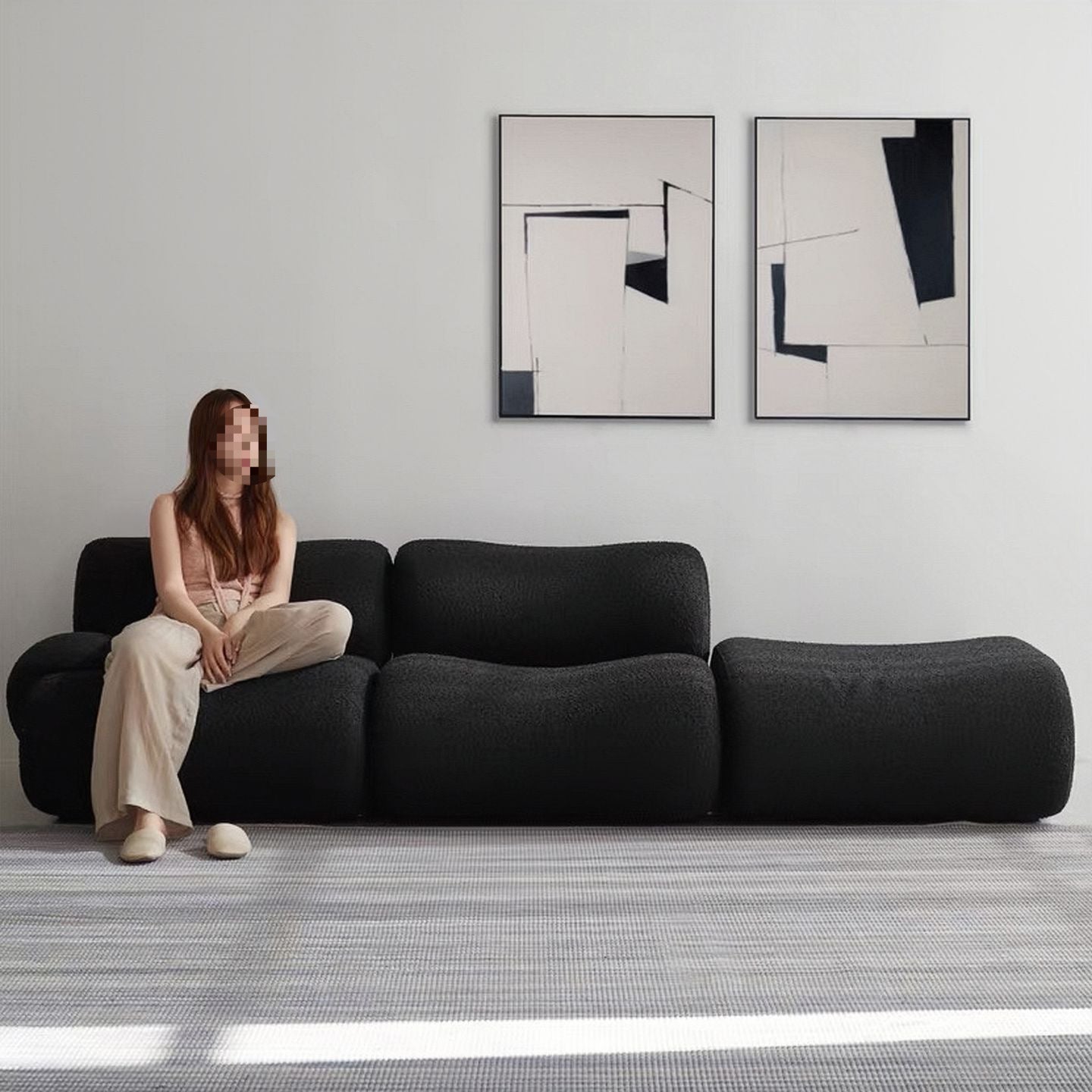
Why Leather Sofa Maintenance Matters
A leather sofa is not just a seating option it is a long-term investment in comfort, durability, and aesthetics.
However, unlike fabric, leather is a natural material that requires consistent care to maintain:
-
Softness and flexibility
-
Surface finish and color
-
Structural durability
Without proper maintenance, leather can:
-
Dry out and crack
-
Fade due to sunlight
-
Lose its premium appearance
Proper care ensures your sofa ages gracefully instead of deteriorating early.
Understanding Leather: What You’re Maintaining
Before maintenance, it’s important to understand what you’re dealing with.
Leather is:
-
Porous (absorbs moisture and oils)
-
Sensitive to heat and sunlight
-
Prone to drying if not conditioned
Different types of leather require slightly different care:
-
Full-grain leather: Most durable, needs conditioning
-
Top-grain leather: Smooth finish, easier to maintain
-
Bonded leather: More synthetic, less durable
Regardless of type, regular maintenance is non-negotiable.
Daily & Weekly Leather Sofa Care Routine
Consistency is more important than intensity.
1. Dusting (2–3 Times Per Week)
-
Use a dry microfiber cloth
-
Gently wipe the surface
-
Focus on seams and creases
Prevents dirt buildup that can cause micro-abrasions.
2. Light Cleaning (Weekly)
-
Use a slightly damp cloth
-
Wipe gently — do not soak
-
Dry immediately with a soft cloth
Avoid:
-
Excess water
-
Harsh rubbing
Keeps the surface clean without damaging the finish.
Deep Cleaning (Monthly Routine)
For deeper maintenance:
Step-by-Step Process:
-
Vacuum using a soft brush attachment
-
Apply a leather-safe cleaner
-
Wipe gently in circular motion
-
Remove residue with a clean cloth
This removes:
-
Body oils
-
Dirt buildup
-
Surface stains
Important: Always test cleaner on a hidden area first.
Conditioning: The Most Critical Step
Leather loses moisture over time — conditioning restores it.
How Often:
-
Every 3 to 6 months
Why It Matters:
-
Prevents cracking
-
Maintains softness
-
Preserves natural shine
How to Apply:
-
Use a small amount of conditioner
-
Apply evenly with a soft cloth
-
Let it absorb naturally
Think of conditioning like moisturizing skin — essential for longevity.
Protecting Leather from Damage
1. Avoid Direct Sunlight
UV exposure causes:
-
Fading
-
Drying
-
Surface damage
Place sofa away from windows or use curtains.
2. Keep Away from Heat Sources
Avoid placing near:
-
Radiators
-
Heaters
-
Fireplaces
Heat accelerates moisture loss → leads to cracking.
3. Control Humidity
-
Extremely dry air damages leather
-
Use a humidifier if needed
Balanced environment = longer lifespan
Common Leather Sofa Mistakes to Avoid
Avoid these at all costs:
-
Using harsh chemicals (bleach, ammonia)
-
Over-wetting the surface
-
Skipping conditioning
-
Using rough cloths or brushes
-
Ignoring spills
These mistakes shorten the life of your sofa significantly.
How to Handle Spills & Stains
Immediate Action is Key
For Liquid Spills:
-
Blot with dry cloth (do NOT rub)
-
Let it air dry
For Oil-Based Stains:
-
Use a leather cleaner
-
Avoid DIY hacks (like baking soda without testing)
For Ink Stains:
-
Use specialized leather stain remover
-
Act quickly before absorption
The faster you act, the easier the recovery.
Long-Term Maintenance Strategy
If you want your leather sofa to last 5–10+ years, follow this system:
Weekly:
-
Dust and wipe
Monthly:
-
Deep clean
Quarterly:
-
Condition
Always:
-
Protect from sunlight and heat
This structured approach ensures consistent performance and appearance.
Signs Your Leather Sofa Needs Attention
Watch for early warning signs:
-
Surface feels dry or rough
-
Visible cracks forming
-
Color fading
-
Loss of shine
These indicate:
Immediate conditioning or care is required
Final Thoughts
Maintaining a leather sofa is not complicated but it requires discipline and consistency.
When properly maintained, a leather sofa:
-
Becomes more comfortable over time
-
Develops a rich, premium look
-
Lasts significantly longer than fabric alternatives
At its core, leather care is about:
Cleaning, conditioning, and protection
Follow the right process, and your sofa will remain a long-term asset, not a short-term expense.
