
Cart
0
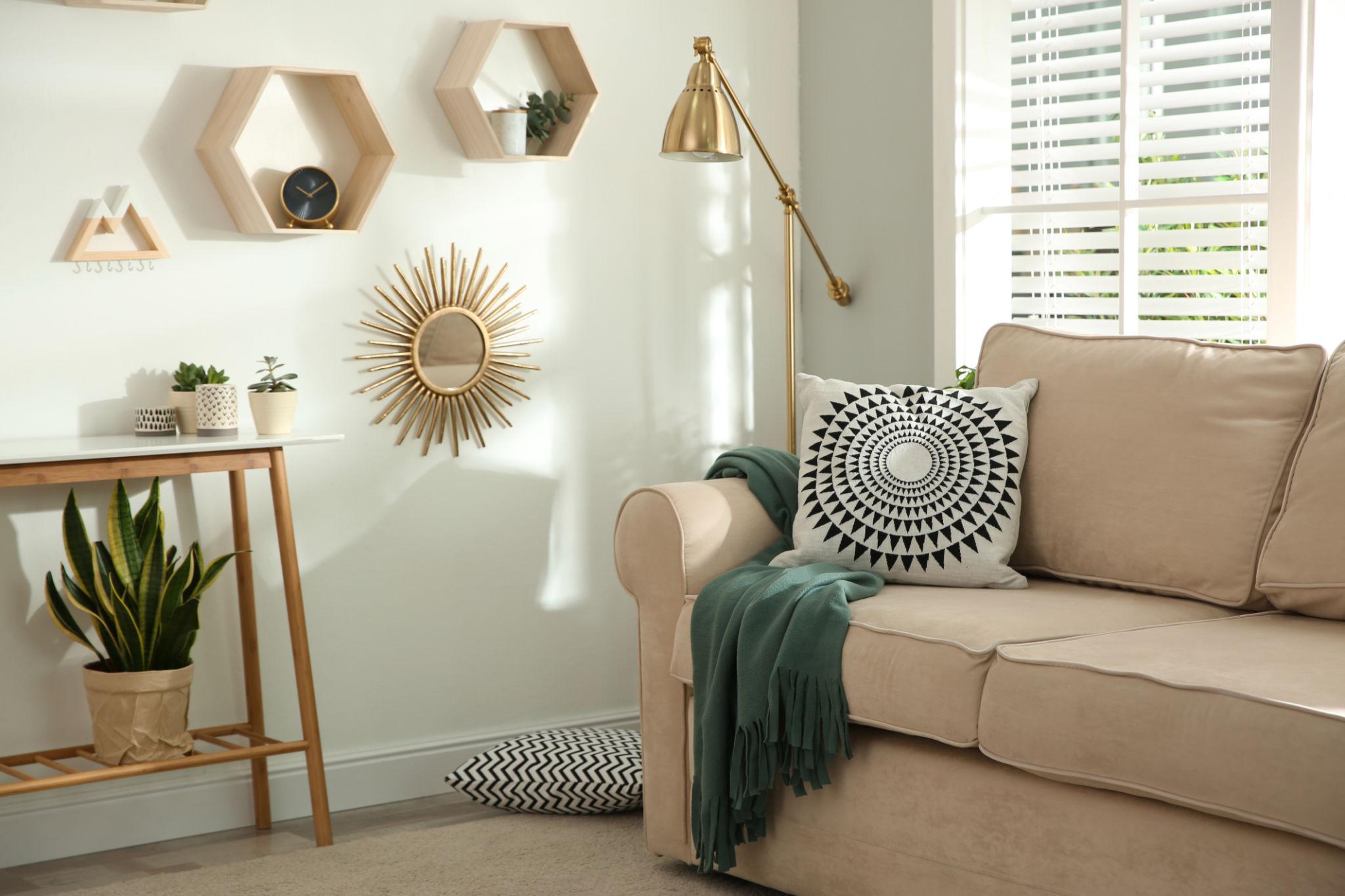
How do you choose the right modern sofa in 2026?
Choose a modern sofa by aligning size (60–90 inches), material (fabric, leather, or velvet), and frame durability (solid wood or engineered wood) with your room layout and usage. A well-chosen sofa maintains 18–24 inches of walking space, supports daily use, and lasts 7–15 years depending on construction quality.
Why Buying a Modern Sofa Is More Complex Than It Looks
Modern sofas combine design, engineering, and long-term usability. Most buyers focus on appearance, but performance depends on structure and materials
A buyer selects a visually appealing sofa online. Within 6 months, cushions lose shape, and the frame creaks. The issue is not design it is low-density foam (below 25 kg/m³) and weak frame construction. The buying decision failed at evaluation, not usage.
Step 1 — Choose the Right Sofa Size (Fit Comes First)
Modern sofa selection starts with dimensions, not style.
-
Small apartments: 55–75 inches (2-seater)
-
Medium living rooms: 72–90 inches (3-seater)
-
Large spaces: 90–130 inches (sectional)
Maintain 18–24 inches clearance for movement.
Key rule:
A sofa that blocks movement reduces usability, regardless of design quality.
Step 2 — Select the Right Sofa Material
Material determines durability, maintenance, and visual weight.
Fabric Sofa
-
Breathable and lightweight appearance
-
Easier to maintain for daily use
-
Lifespan: 5–10 years
Leather Sofa
-
High durability and premium feel
-
Resistant to spills but requires maintenance
-
Lifespan: 10–15 years
Velvet Sofa
-
Soft texture with luxury appeal
-
Requires controlled environment (low dust, low friction)
-
Best for low-traffic areas
Insight:
Material choice directly affects maintenance cost and lifespan more than design.
Step 3 — Understand Frame Construction (Durability Factor)
Frame construction determines whether the sofa lasts 3 years or 10+ years.
|
Frame Type |
Durability |
Use Case |
|
Solid Wood Frame |
10–15 years |
Premium sofas |
|
Engineered Wood |
5–8 years |
Budget-friendly |
|
Metal Frame |
6–10 years |
Modern minimalist |
Critical check:
Kiln-dried wood frames resist warping and increase lifespan by 20–30%.
Step 4 — Check Foam Density (Comfort + Longevity)
Foam density directly impacts comfort retention.
-
Low density (<25 kg/m³): loses shape within 1–2 years
-
Medium density (25–35 kg/m³): balanced comfort
-
High density (35–45 kg/m³): long-term durability
Rule:
Higher density foam increases lifespan but also firmness.
Step 5 — Choose the Right Sofa Style (Function + Aesthetic)
Modern sofas follow specific design principles:
-
Clean lines and minimal detailing
-
Neutral color palettes (grey, beige, white)
-
Low-profile silhouettes
Popular Modern Styles (2026)
-
Minimalist sofa
-
Contemporary modular sofa
-
Scandinavian style sofa
-
Japanese minimalist sofa
Trend insight:
Low-profile modular sofas dominate 2026 due to flexibility and space efficiency.
Step 6 — Evaluate Use Case (B2C + B2B Perspective)
Modern sofa selection changes based on usage context.
For Home Use
-
Comfort and aesthetics prioritized
-
Medium-density foam preferred
-
Fabric or leather based on lifestyle
For Airbnb / Rental
-
Stain-resistant fabric required
-
Durable frame for frequent use
-
Neutral colors for broader appeal
For Hotels / Offices (B2B)
-
Commercial-grade materials
-
High-density foam (>35 kg/m³)
-
Reinforced frame construction
Step 7 — Compare Sofa Types Before Buying
|
Type |
Best For |
Space Efficiency |
Comfort |
|
Loveseat |
Small spaces |
High |
Medium |
|
3-Seater |
Standard homes |
Medium |
High |
|
Sectional |
Large rooms |
Low |
Very High |
|
Modular |
Flexible layouts |
High |
High |
Decision rule:
Choose based on layout flexibility first, seating second.
Step 8 — Budget vs Value (Cost Breakdown)
Modern sofas vary widely in price depending on materials and construction.
-
Budget sofas: $300–$800 (engineered wood, low-density foam)
-
Mid-range: $800–$2000 (better materials, balanced durability)
-
Premium: $2000+ (solid wood, high-density foam, custom design)
Insight:
Higher upfront cost reduces replacement frequency, lowering long-term cost.
Step 9 — Delivery, Assembly, and Fit Check
Many buying mistakes happen at delivery stage.
-
Door clearance required: 30–32 inches
-
Modular sofas reduce delivery issues
-
Pre-assembled sofas may not fit elevators
Rule:
Always measure entry points before purchase.
How Penghao Furniture Builds Modern Sofas for 2026 Buyers
Penghao Furniture focuses on durability, scalability, and modern design.
-
Multi-material sourcing (fabric, leather, velvet) for global markets
-
Modular construction for flexible layouts
-
High-density foam options for long-term use
-
OEM and custom manufacturing for B2B clients
Example scenario:
A hotel project using Penghao sofas reduced replacement cycles from 4 years to 9 years by upgrading to high-density foam and reinforced frames.
Common Buying Mistakes to Avoid
-
Choosing design over durability
-
Ignoring foam density
-
Buying oversized sofas for small spaces
-
Not checking frame construction
-
Skipping material evaluation
Final Insight
A modern sofa is not just furniture it is a long-term investment in comfort, space efficiency, and durability. In 2026, buyers who evaluate construction, materials, and size correctly avoid replacement costs and maximize value over time.
FAQ — Modern Sofa Buying Guide (2026)
What should I look for when buying a modern sofa?
Check size, material, frame construction, and foam density to ensure durability and comfort.
Which sofa material lasts the longest?
Leather sofas last 10–15 years, while high-quality fabric sofas last 5–10 years.
What is the best foam density for sofas?
A foam density between 30–40 kg/m³ provides the best balance of comfort and durability.
Is a modular sofa better than a standard sofa?
A modular sofa offers flexibility and better space optimization compared to fixed sofas.
How long should a modern sofa last?
A well-built modern sofa lasts between 7–15 years depending on materials and usage.
