
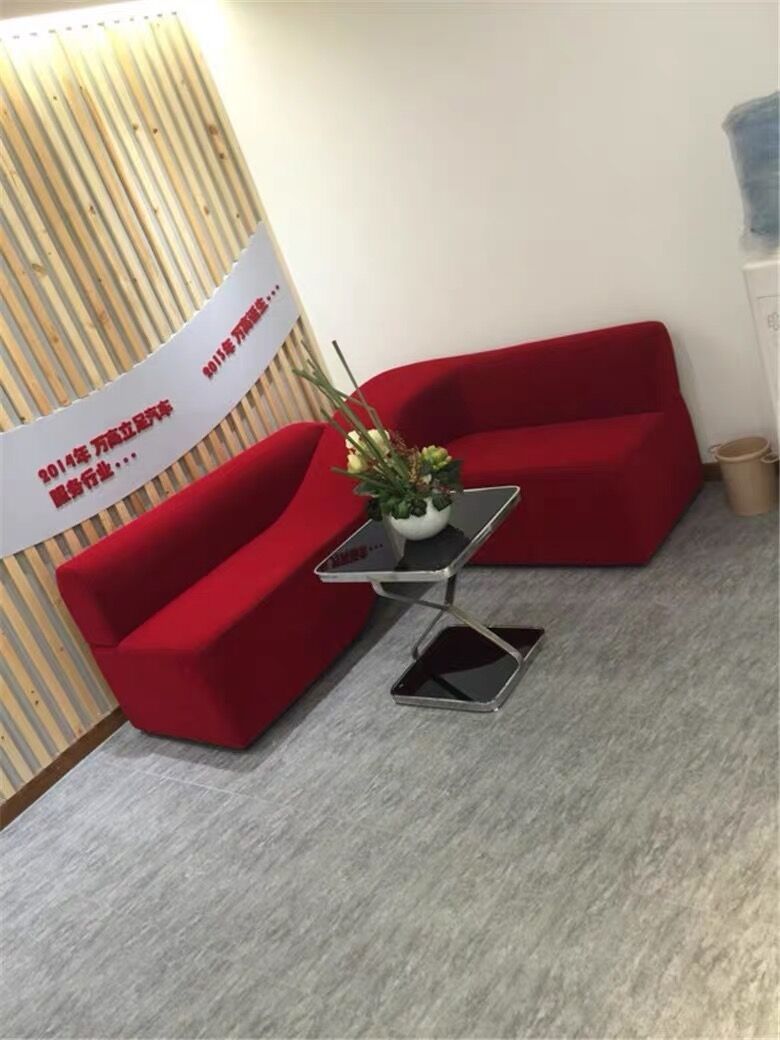
What is sofa depth and why does it affect comfort?
Sofa depth is the front-to-back measurement of the seat cushion (excluding backrest thickness). It determines how your body distributes weight across hips, thighs, and lower back, which directly impacts comfort over 30–120 minutes of sitting.
Core mechanics (EAV):
- Seat depth → measurement → 50–70 cm range
- Posture → angle → 95°–110° (upright to relaxed)
- Thigh support → contact length → 60–75% of thigh
If depth exceeds your leg length, your lower back loses support. If it’s too shallow, your thighs lack support, increasing pressure points.
What is the most comfortable sofa depth?
The most comfortable depth depends on user height and sitting style, but a general range works for most households.
| User Height | Ideal Depth | Comfort Outcome |
|---|---|---|
| Under 165 cm | 50–55 cm | Upright, supported posture |
| 165–180 cm | 55–60 cm | Balanced comfort (most common) |
| 180+ cm | 60–65 cm | Relaxed seating, better leg support |
| Lounge use | 65–75 cm | Deep, reclined comfort |
Rule: Your feet should rest flat on the floor while your back touches the backrest. If not, depth is misaligned.
Shallow vs deep sofas — which is more comfortable?
Comfort depends on use case, not just size.
Shallow sofas (50–55 cm)
- Upright posture
- Better for formal seating, offices, elderly users
- Easier to get in/out
- Less suitable for lounging
Medium depth sofas (55–60 cm)
- Balanced posture
- Ideal for daily use, families, mixed activities
- Works for most body types
Deep sofas (65–75 cm)
- Reclined, relaxed posture
- Best for lounging, watching TV, napping
- Requires cushions for shorter users
Operational moment: A 58 cm depth sofa supports a user working on a laptop for 60+ minutes without slouching, while a 70 cm depth sofa pushes the same user into a reclined position within 10–15 minutes, reducing productivity comfort.
How seat depth affects posture and back support
Seat depth changes the spine angle and lumbar support engagement.
EAV relationships:
- Depth → <55 cm → upright spine → better lumbar support
- Depth → 55–60 cm → neutral spine → balanced comfort
- Depth → >65 cm → reclined spine → reduced lumbar contact
If depth is too large:
- Lower back loses contact
- Shoulders round forward
- Neck strain increases over time
If depth is too small:
- Thigh pressure increases
- Sitting feels rigid
Which sofa depth is best for daily use?
Daily-use sofas require adaptive comfort across multiple activities (sitting, lounging, socializing).
Best range:
- 55–60 cm for standard households
- 60–65 cm for taller users or relaxed environments
Why: This range supports both upright seating (meals, work) and casual lounging without requiring constant cushion adjustment.
Sofa depth for different use cases
Match depth to how the sofa is actually used.
- Living room (family use): 55–60 cm
- TV / entertainment room: 60–70 cm
- Office / waiting area: 50–55 cm
- Small apartments: 50–58 cm (space-efficient)
- Airbnb / rental: 55–62 cm (universal comfort range)
How cushion design interacts with depth
Depth alone does not define comfort—cushion structure modifies effective depth.
Key factors:
- Loose cushions: increase perceived depth
- Firm foam (≥35 kg/m³): reduces sink, keeps posture upright
- Soft foam (<28 kg/m³): increases sink, makes sofa feel deeper
Skeptic’s detail: A 60 cm seat with soft foam can behave like a 65–68 cm seat due to compression, altering posture significantly.
Common mistakes when choosing sofa depth
Avoid these high-impact errors:
- Choosing deep sofas for short users → causes slouching
- Ignoring foam density → changes real seating depth
- Buying based on aesthetics instead of posture
- Not testing feet placement + back contact simultaneously
Commercial and B2B perspective
In commercial environments, depth must satisfy multiple users with different body types.
Standard commercial specs (EAV):
- Seat depth → 55–60 cm → universal comfort
- Foam density → 32–40 kg/m³ → consistent support
- Usage cycle → 500–1,000 sits/month
Penghao Furniture designs sofas within this universal depth range, ensuring comfort across residential, hospitality, and office use cases.
Conclusion
Sofa depth controls comfort by shaping posture, support, and usability. The optimal range for most scenarios is 55–60 cm, while deeper sofas (65+ cm) serve relaxation-focused environments. The correct choice depends on user height, usage pattern, and cushion construction, not aesthetics alone.
FAQ : Sofa depth vs comfort
What is the standard sofa seat depth?
Standard seat depth is 55–60 cm, which balances posture and comfort for most users.
Is a deeper sofa more comfortable?
Deeper sofas feel more comfortable for lounging but reduce back support for upright sitting.
What depth is best for short people?
50–55 cm depth ensures proper back support and foot placement.
Can cushions fix a sofa that is too deep?
Yes, adding back cushions reduces effective depth by 5–10 cm.
What is the best depth for daily use?
55–60 cm provides the best balance between comfort and usability.