
Cart
0
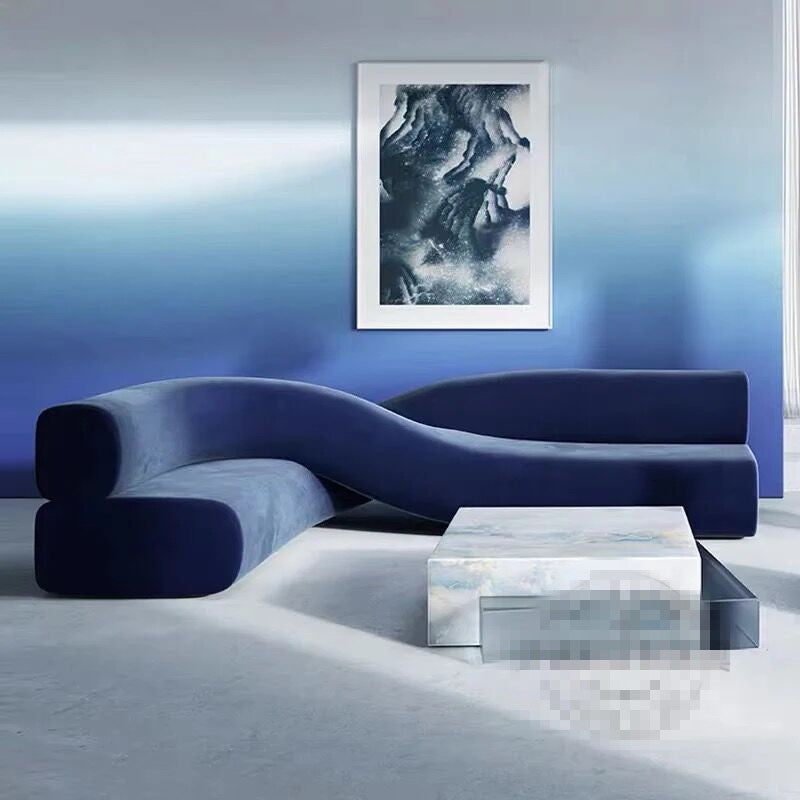
In cold climates, the right sofa must retain warmth, stay comfortable against skin, and resist material brittleness caused by low temperatures. The best configuration uses heat-retaining upholstery (velvet, wool blends, top-grain leather), higher-density foam (32–45 kg/m³), and kiln-dried hardwood frames that remain stable in dry indoor heating conditions.
What makes a sofa suitable for cold climates?
A cold-climate sofa prioritizes thermal retention, soft surface feel, and structural stability under dry air conditions. Materials that feel cold on contact or lose flexibility in low temperatures reduce comfort and lifespan.
Core requirements (EAV):
-
Upholstery → thermal retention → high (velvet, wool blends, leather)
-
Foam → density → 32–45 kg/m³ (heat retention + support)
-
Frame → material → kiln-dried hardwood (resists cracking in dry air)
Which sofa materials retain heat best?
Cold environments demand materials that absorb and hold body heat instead of dissipating it.
Best materials for cold climates
| Material | Warmth Retention | Comfort in Cold | Suitability |
|---|---|---|---|
| Velvet | Very high | Soft, insulating | Excellent for winter comfort |
| Wool blends | High | Naturally warm | Ideal for colder regions |
| Top-grain leather | Medium-high | Warms with body heat | Good with heating systems |
| Chenille | High | Plush texture | Comfortable for daily use |
Materials to avoid
-
Pure linen: loses warmth quickly, feels cold
-
Thin cotton: minimal insulation
-
Rattan/open weave: no heat retention
Operational moment: In a 15°C indoor environment, a linen sofa feels cold on contact for 5–8 minutes, while velvet becomes comfortable within 1–2 minutes due to faster heat absorption.
Is leather a good sofa material for cold climates?
Leather performs well in cold climates when paired with indoor heating. It absorbs body heat and gradually warms, unlike fabric that feels instantly soft.
Performance breakdown:
-
Top-grain leather → moderate warmth → durable + premium feel
-
Full-grain leather → higher density → slower to warm but long-lasting
-
Bonded leather → low durability → cracks in dry cold air
Conclusion: Leather works best in heated interiors, not in unheated or extremely dry environments.
What foam density works best in cold environments?
Foam density influences both comfort and thermal insulation. Higher-density foam retains warmth longer and resists stiffness.
Optimal range:
-
32–38 kg/m³: balanced comfort + warmth retention
-
38–45 kg/m³: firmer, better for long-term durability
-
<28 kg/m³: loses structure and feels cold faster
Skeptic’s detail: High-density foam has lower air exchange, which slows heat loss and keeps seating surfaces warmer over extended sitting periods.
How cold and dry air affects sofa durability
Cold climates often include low humidity, which impacts materials differently than heat.
Risks:
-
Wood shrinkage → joint loosening
-
Leather drying → cracking
-
Fabric stiffness → reduced flexibility
Prevention:
-
Use kiln-dried hardwood (moisture content <10–12%)
-
Apply leather conditioners every 3–6 months
-
Maintain indoor humidity at 30–50%
Which sofa design improves warmth?
Design influences how well a sofa retains heat and provides comfort.
Best design features:
-
Deep seating (≥55–65 cm depth): retains body heat
-
High backrests: reduce heat loss
-
Tight upholstery: minimizes cold air gaps
-
Arm-enclosed structure: traps warmth
EAV examples:
-
Seat depth → 55–65 cm → improved thermal comfort
-
Back design → high enclosed → reduced heat dissipation
Best sofa types for cold climates
Certain sofa types naturally support better insulation and comfort.
-
Deep sectional sofas: retain heat across larger seating area
-
Upholstered 3-seaters: compact heat retention
-
Reclining sofas: increased body contact → warmth retention
-
Chesterfield sofas: dense upholstery + insulation effect
How to choose a sofa for cold climates (buyer checklist)
Use these measurable criteria to ensure long-term comfort and durability:
-
Upholstery: velvet, wool blend, or leather
-
Foam: 32–45 kg/m³ density
-
Frame: kiln-dried hardwood
-
Design: deep seating + enclosed arms/back
-
Avoid: thin fabrics, open-frame designs
Commercial use: hotels, cold regions, luxury interiors
Cold-region hospitality spaces require warm aesthetics + durability under continuous use.
Commercial specs (EAV):
-
Fabric → abrasion → 30,000–80,000 rubs + high thermal retention
-
Foam → density → 35–45 kg/m³
-
Frame → construction → reinforced hardwood joints
Penghao Furniture produces sofas aligned with cold-climate requirements, combining dense cushioning, insulating upholstery, and export-grade structural stability for markets like North America and Europe.
Common mistakes in cold climates
Avoid these frequent issues:
-
Choosing linen or thin fabrics that feel cold
-
Ignoring humidity control, leading to material cracking
-
Using low-density foam that loses warmth quickly
-
Selecting open-frame designs that dissipate heat
FAQ — Sofa for cold climate materials
Which sofa material is best for cold climates?
Velvet and wool blends provide high thermal retention and comfort, making them ideal for cold environments.
Is leather good for cold weather sofas?
Leather works well in heated spaces, as it absorbs and retains body heat over time.
What foam density is best for cold climates?
Choose 32–45 kg/m³ foam for better insulation and durability.
How do I protect my sofa in dry winter air?
Maintain 30–50% indoor humidity and condition leather regularly to prevent cracking.
Which sofa design keeps you warm?
Sofas with deep seats, high backs, and enclosed arms retain heat better.
Bottom line
Cold-climate sofas must prioritize warmth retention, dense cushioning, and stable materials. The ideal setup combines velvet or leather upholstery, high-density foam (32–45 kg/m³), and enclosed structural design, ensuring both comfort and long-term durability in low-temperature environments.
