
Cart
0
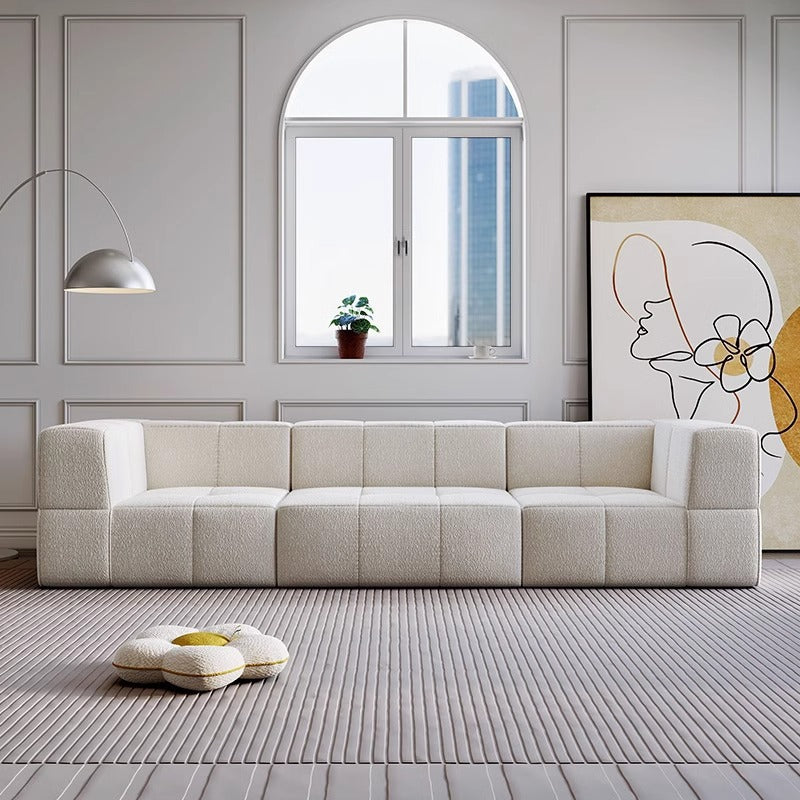
What are the most important sofa materials to understand?
The most important sofa materials are upholstery (fabric, leather, velvet), frame (solid wood, engineered wood, metal), and foam density (25–45 kg/m³). Upholstery affects comfort and maintenance, the frame determines lifespan (5–15 years), and foam controls support and shape retention over time.
Why Sofa Materials Determine 80% of Performance
Sofa performance depends more on internal materials than external design.
Two sofas look identical online. After 1 year, one loses shape and creaks, while the other maintains structure. The difference: one uses low-density foam (<25 kg/m³) and engineered wood, while the other uses high-density foam (35 kg/m³) and kiln-dried solid wood. The failure point is material quality, not design.
Sofa Material Structure — How a Sofa Is Built
A sofa consists of three core material layers:
-
Frame (structure) — defines strength and lifespan
-
Foam (comfort core) — defines support and durability
-
Upholstery (surface layer) — defines look, feel, and maintenance
Key insight:
Failure in any one layer reduces overall sofa lifespan by 30–60%.
Upholstery Materials (Surface Layer)
Fabric Upholstery
Fabric sofas use woven or synthetic textiles designed for comfort and versatility.
-
Lifespan: 5–10 years
-
Breathability: High
-
Maintenance: Medium–High
Types of fabric:
-
Polyester (durable, budget-friendly)
-
Linen (breathable, less stain-resistant)
-
Cotton blends (balanced comfort and durability)
Best for: Homes, small apartments, everyday use
Leather Upholstery
Leather sofas use natural or synthetic leather for durability and premium appearance.
-
Lifespan: 10–15 years
-
Maintenance: Low (wipe cleaning)
-
Durability: High
Types of leather:
-
Full-grain leather (highest quality, longest lifespan)
-
Top-grain leather (balanced durability and cost)
-
PU leather (synthetic, budget option)
Best for: High-traffic areas, offices, hotels
Velvet Upholstery
Velvet provides a soft texture and luxury aesthetic.
-
Lifespan: 5–8 years
-
Maintenance: High
-
Durability: Medium
Key insight:
Velvet works best in low-traffic environments where appearance matters more than durability.
Frame Materials (Structural Core)
Solid Wood Frame
Solid wood provides maximum strength and longevity.
-
Lifespan: 10–15 years
-
Stability: High
-
Best woods: Oak, teak, ash
Critical detail:
Kiln-dried wood reduces moisture content and prevents warping, increasing durability by 20–30%.
Engineered Wood Frame
Engineered wood (plywood, MDF) offers cost efficiency.
-
Lifespan: 5–8 years
-
Cost: Lower than solid wood
-
Stability: Medium
Best for: Budget-friendly sofas
Metal Frame
Metal frames support modern and minimalist designs.
-
Lifespan: 6–10 years
-
Strength: High under load
-
Design: Sleek and lightweight
Foam & Cushion Materials (Comfort Layer)
Foam Density Explained
Foam density determines how long a sofa maintains its shape.
| Density Level | kg/m³ | Performance |
|---|---|---|
| Low Density | <25 | Loses shape quickly (1–2 years) |
| Medium Density | 25–35 | Balanced comfort and durability |
| High Density | 35–45 | Long-lasting, firm support |
Rule:
Foam below 25 kg/m³ fails early. Foam above 35 kg/m³ increases lifespan significantly.
Cushion Filling Types
-
High-density foam: Best durability and support
-
Feather/down: Soft but requires maintenance
-
Foam + fiber blend: Balanced comfort
Spring Systems (Support Mechanism)
Spring systems distribute weight and maintain seating structure.
Common Types
-
Sinuous springs: Standard, good support
-
Pocket springs: Individual coils, better comfort
-
Webbing support: Budget option, lower durability
Insight:
Pocket springs increase seating comfort by 15–20% compared to standard systems.
Material Comparison, What Matters Most in Sofa
| Component | Key Factor | Impact |
|---|---|---|
| Upholstery | Maintenance + comfort | Daily usability |
| Frame | Strength + lifespan | Long-term durability |
| Foam | Density | Shape retention |
| Springs | Support system | Seating comfort |
Best Material Combinations (2026 Recommendations)
For Homes
-
Fabric upholstery + medium-density foam + solid wood frame
For Small Apartments
-
Lightweight fabric + compact frame + medium foam
For Hotels / Offices (B2B)
-
Leather upholstery + high-density foam + reinforced frame
For Airbnb / Rentals
-
Stain-resistant fabric + durable foam + engineered wood
How to Check Sofa Material Quality Before Buying
Use this checklist:
-
Ask for foam density (minimum 30 kg/m³ recommended)
-
Check frame type (solid wood preferred)
-
Verify upholstery type (natural vs synthetic)
-
Test seating firmness (should recover within 2–3 seconds)
-
Inspect stitching and joints
How Penghao Furniture Uses Materials for Performance
Penghao Furniture optimizes materials based on global use cases.
-
Multi-layer construction combining strong frames and high-density foam
-
Upholstery options tailored for US, EU, and Japan markets
-
Modular material systems for flexible production
-
Commercial-grade materials for B2B durability requirements
A hospitality project using high-density foam (40 kg/m³) and leather upholstery increased sofa lifespan from 5 years to 9+ years while reducing maintenance frequency by 35%.
Common Mistakes When Choosing Sofa Materials
-
Ignoring foam density
-
Choosing upholstery based only on appearance
-
Selecting engineered wood for heavy-use environments
-
Not understanding leather types
-
Overlooking maintenance requirements
Final Insight
Sofa materials define performance more than design. In 2026, buyers who understand upholstery, frame, and foam avoid early replacement, reduce maintenance costs, and invest in long-term comfort and durability.
FAQ — Sofa Materials Guide (2026)
What is the best material for a sofa?
The best material combines durable upholstery, high-density foam (30–40 kg/m³), and a solid wood frame.
Which sofa material lasts the longest?
Leather upholstery with solid wood frames and high-density foam lasts 10–15 years.
What foam density is best for sofas?
Foam density between 30–40 kg/m³ provides optimal durability and comfort.
Is fabric or leather better for daily use?
Fabric offers more comfort, while leather provides better durability and easier maintenance.
How do I check sofa quality?
Check frame material, foam density, upholstery type, and stitching quality before buying.
If you want next step, I can build:
-
“Sofa Frame Types Explained” (deep sub-cluster)
-
“Foam Density Guide (Full Page)” (high authority content)
-
Or create internal linking map for all published pages to boost rankings faster
